HHZ Vapes18 products
 H2 Superior21 Vapes
 Flowers62 products
 I Love Pot
 Sheesh
 OnlyGrams
 Canapuff

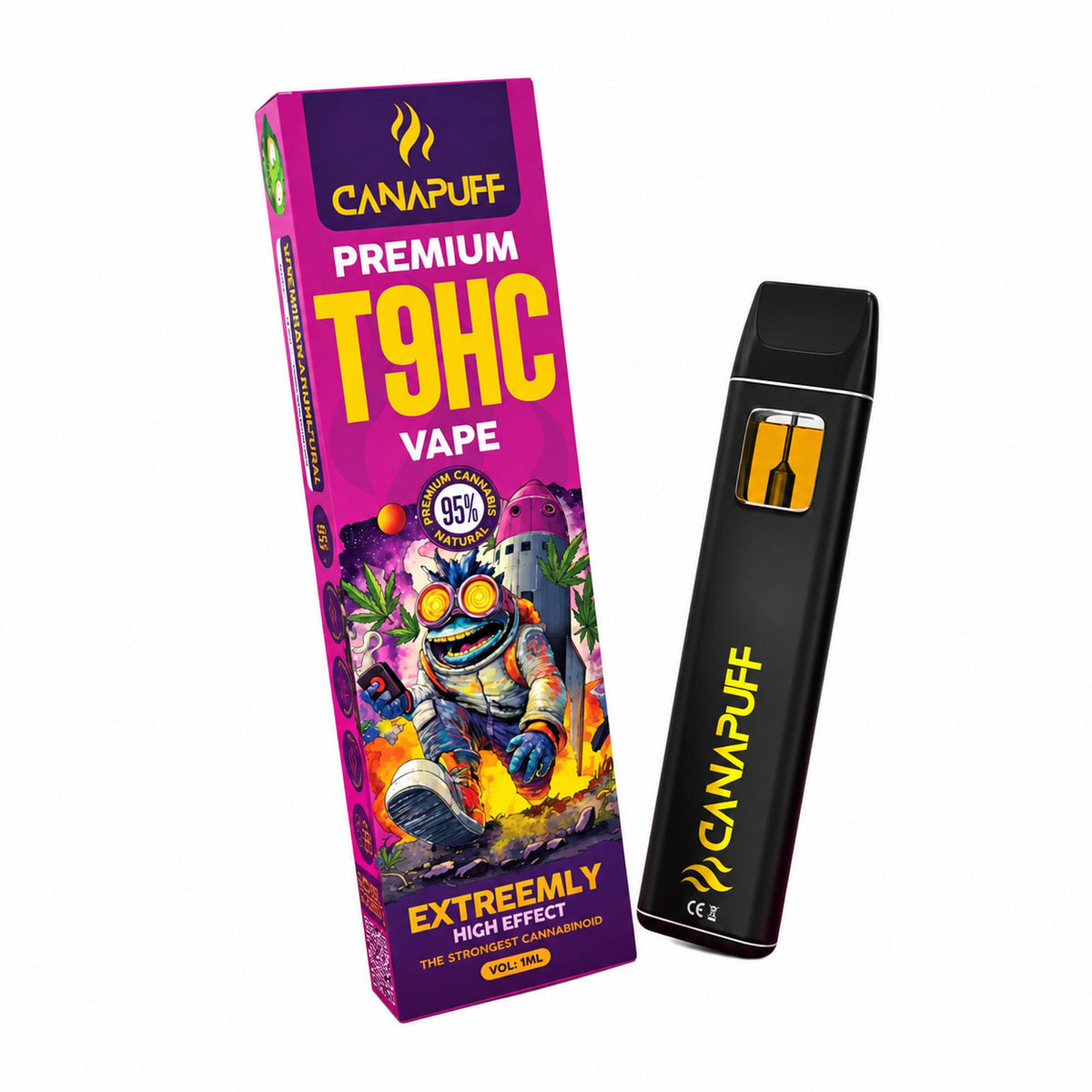

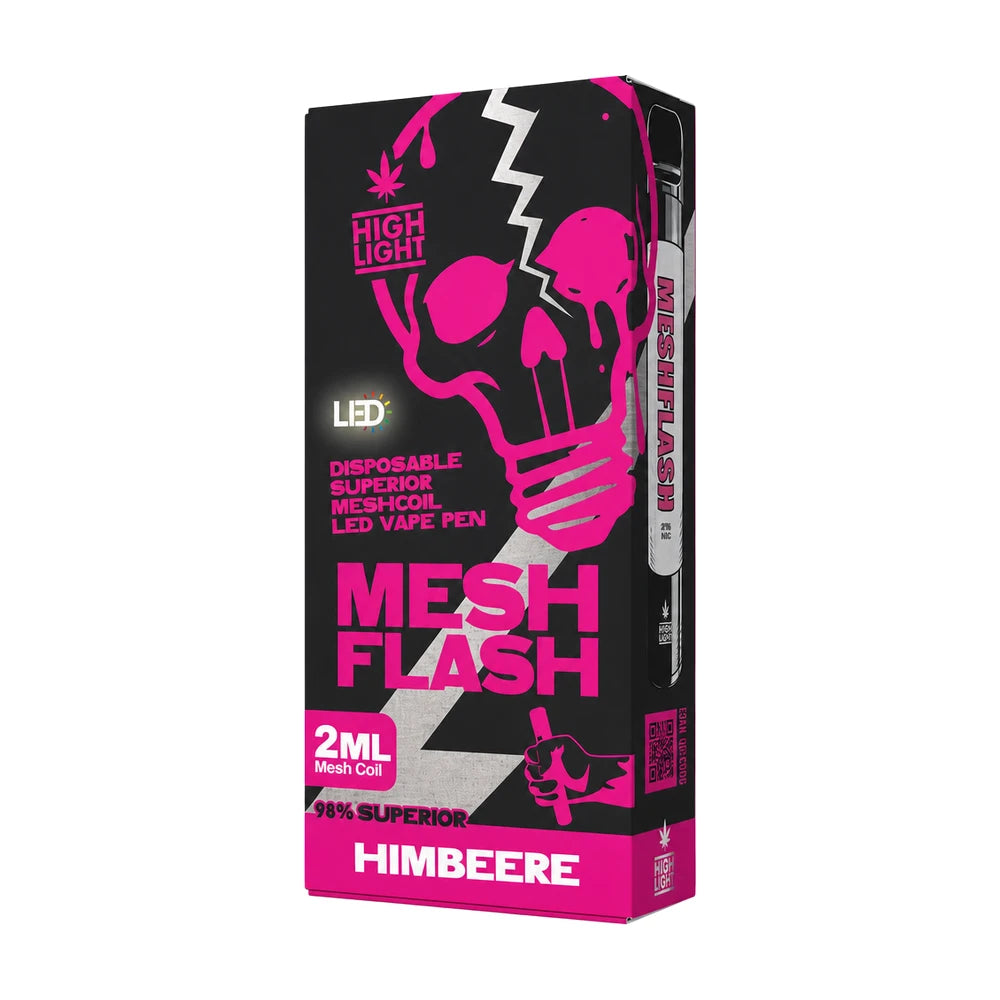

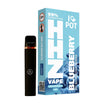
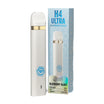

Many pod systems and vape pens today heat through a flat metal grid instead of a wound heating wire. That grid is exactly what's called a mesh coil. It sits as a punched perforated strip or as actual woven wire mesh directly against the wick material, bringing far more metal surface into contact with the liquid than a coiled wire does. Technically, this changes two main things: heat spreads more evenly, and the grid reaches its working temperature faster.
At a glance
- A mesh coil is a flat metal grid, not a wound wire.
- Common materials are Kanthal (FeCrAl), 316L stainless steel and Ni80 nichrome.
- Typical resistance values in pod systems range roughly between 0.6 and 1.2 ohms, and even lower in more powerful vaporizers.
- In refillable systems, a mesh coil is usually replaced after about 1 to 3 weeks, depending on the device and liquid.
What exactly is a mesh coil
A mesh coil consists of a thin metal strip with regular holes, or of actual woven wire mesh, which converts electric current into heat. This strip is either laid flat under the wick material or rolled into a small tube with the cotton sitting inside it. When current from the battery flows through the grid, the metal heats up and vaporizes the liquid that the wick draws from the tank or pod.
Electrical resistance is measured in ohms and is printed on the coil or on the packaging. It results from the material, thickness and surface area of the grid. A mesh coil can reach the same resistance as a wound wire, but brings more metal surface into contact with the wick.
"Mesh coil" isn't a brand, it's a design type. The term comes from English, where mesh means a woven fabric or net structure. Various manufacturers use the word in product names, but they all refer to the same underlying technology.
Mesh coil vs. standard coil: the difference
The key difference lies in the heating surface: a wound wire has a narrow, spiral-shaped surface, while a mesh coil has a broad, flat one. This leads to several technical consequences that show up in flavour and in how the device behaves.
| Feature | Mesh coil | Standard coil (wound wire) |
|---|---|---|
| Design | Flat grid or rolled perforated strip | Spiral of round wire |
| Contact area with wick | Large and flat | Point contact along the coil windings |
| Heat distribution | Even across the whole surface | Hotter spots possible at the windings |
| Heat-up behaviour | Fast, low mass per surface area | Slower, depends on wire thickness |
| Tendency for dry hits | Lower, as long as the wick is saturated | Higher at local hot spots |
| Liquid consumption | Tends to be higher | Tends to be lower |
| Manufacturing | Industrially punched or woven | Can also be hand-wound |
One drawback remains: because more surface is active at once, a mesh coil draws more liquid from the reservoir. The tank empties faster, and the battery is put under more strain. If you value long runtime per fill, the comparison of 1 ml and 2 ml pods has the matching numbers.
How long does a mesh coil last
In refillable pod systems, a mesh coil usually lasts 1 to 3 weeks depending on the device and liquid, calculated over roughly 5 to 15 millilitres of liquid. There's no fixed number, because several factors act at the same time.
- Sweeteners in the liquid: Sweetened flavours caramelise on the grid and form a dark layer. This noticeably shortens the lifespan.
- Power: The higher the wattage output, the faster the metal ages and the more the cotton gets worked.
- Dry firing: If the grid heats up without enough liquid, the wick burns at that spot. This damage is not reversible.
- Liquid density: Thick mixtures with a high VG content take longer to resaturate the wick.
With pre-filled pens and disposable pods, the question looks different: there, the coil is fixed in place and designed to match the volume of the reservoir. So by design it lasts as long as the fill. A burnt taste before the reservoir runs out usually points to a different problem, such as an empty wick chamber. The most common causes are listed in the article Why does my vape taste burnt.
Advantages of mesh coils in pod systems
Pod systems work with small batteries and limited power, and that's exactly where the large heating surface of a mesh coil pays off. The even temperature across the whole grid means flavour compounds vaporise more uniformly instead of breaking down at individual hot spots. The result is a more stable flavour profile over the life of the pod.

- Fast response: the grid reaches working temperature in a fraction of a second, so preheating isn't needed on most devices.
- Consistent vapour output from the first to the last millilitre, as long as the wick stays supplied.
- Lower tendency for localised burning, since no individual windings overheat.
- Compact build height, which is what makes slim pod housings possible in the first place.
Many current devices rely on this design for that reason. You'll find an overview of devices and formats in the vapes and pod systems category. For dry material, different technical principles apply, so the vaporizer category fits better there.
What is a mesh coil made of: the material
Three alloys are common: Kanthal, 316L stainless steel and Ni80 nichrome, plus a wick material made of cotton or ceramic fibre. All three metals are resistance alloys that withstand high temperatures without scaling.
| Material | Composition | Technical property |
|---|---|---|
| Kanthal (FeCrAl) | Iron, chromium, aluminium | Dimensionally stable, heat-resistant, only works in power mode |
| 316L stainless steel | Iron, chromium, nickel, molybdenum | Suitable for both power mode and temperature control |
| Ni80 nichrome | 80% nickel, 20% chromium | Low resistance, very fast heat-up |
The grid itself is either punched from sheet metal or made as actual woven wire mesh. Both variants are sold under the term mesh. The wick sits around the metal, usually organic cotton, in some devices also porous ceramic, carrying liquid from the reservoir to the heating surface.
These materials weren't developed specifically for vapes. FeCrAl and NiCr alloys come from industrial furnace construction, where they've been used as heating conductors for decades. For products sold in the EU, the requirements of the Tobacco Products Directive 2014/40/EU on ingredients and labelling apply, insofar as the respective product falls within its scope.
Replacing and maintaining a mesh coil
A mesh coil can be swapped out as a replaceable unit in refillable systems, but in pre-filled pens it's fixed in place and can't be replaced. To replace it, pull the old unit out of the pod or tank, insert the new one and screw the thread hand-tight. Remove any leftover liquid in the pod beforehand so the flavours don't mix.

After inserting a new coil, the wick needs a few minutes to fully soak up liquid. If the device is activated before that, the dry cotton can scorch and the coil is immediately ruined.
Cleaning a mesh coil only works to a limited extent. The residue on the grid is caramelised sugar compounds that won't dissolve in water. It makes more sense to maintain the parts around it instead: mouthpiece, pod housing, airflow channel and contacts. You'll find the details in the article Cleaning and maintaining your vape. If the device won't draw air despite a full reservoir, the troubleshooting list at Vape not hitting can help.
Signs of a worn-out coil
- The flavour turns flat or develops a burnt note.
- The grid is dark and covered with a hard layer.
- Vapour output visibly drops at the same setting.
- Liquid leaks from the seal because the rubber rings have hardened.
Sources
- Directive 2014/40/EU of the European Parliament and of the Council (Tobacco Products Directive), EUR-Lex.
- German Federal Institute for Risk Assessment (BfR), information on e-cigarettes and their components, bfr.bund.de.