HHZ Vapes17 products
 H2 Superior21 Vapes
 Flowers61 products
 I Love Pot
 Sheesh
 OnlyGrams
 Canapuff




Filters
7 products
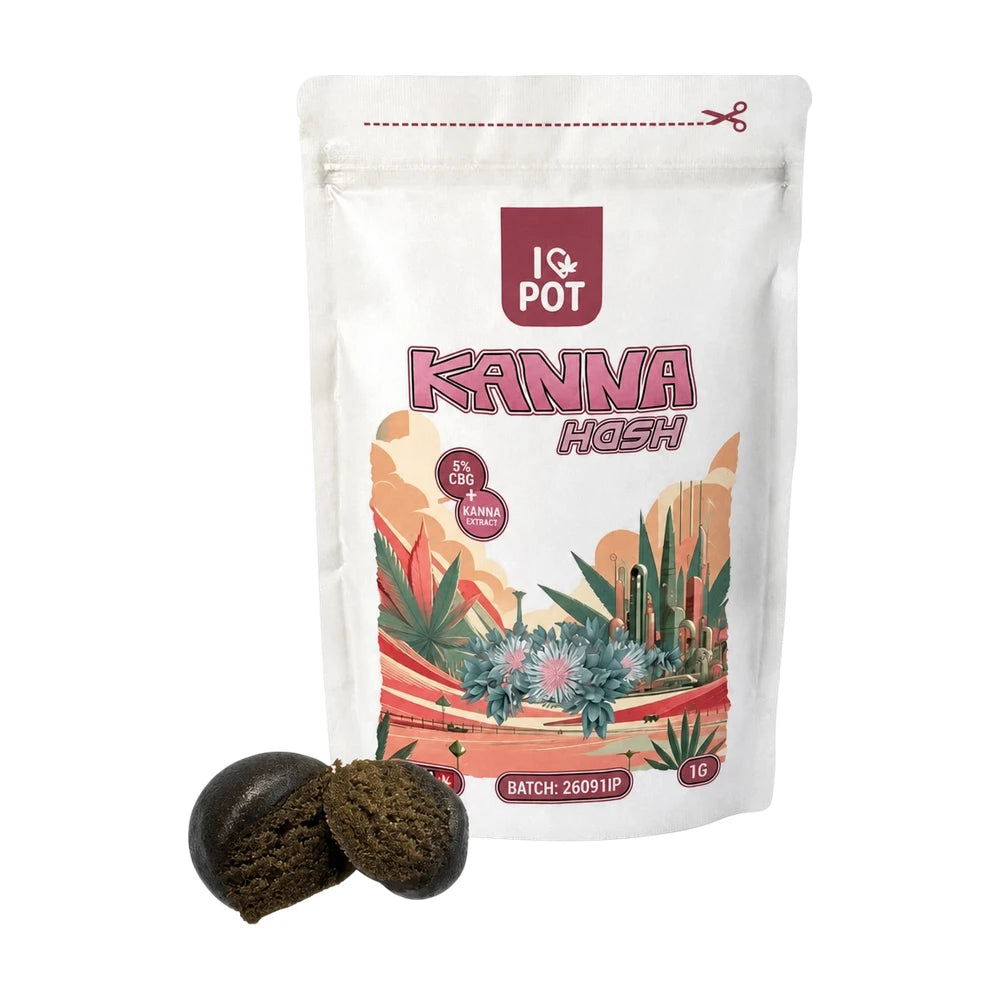
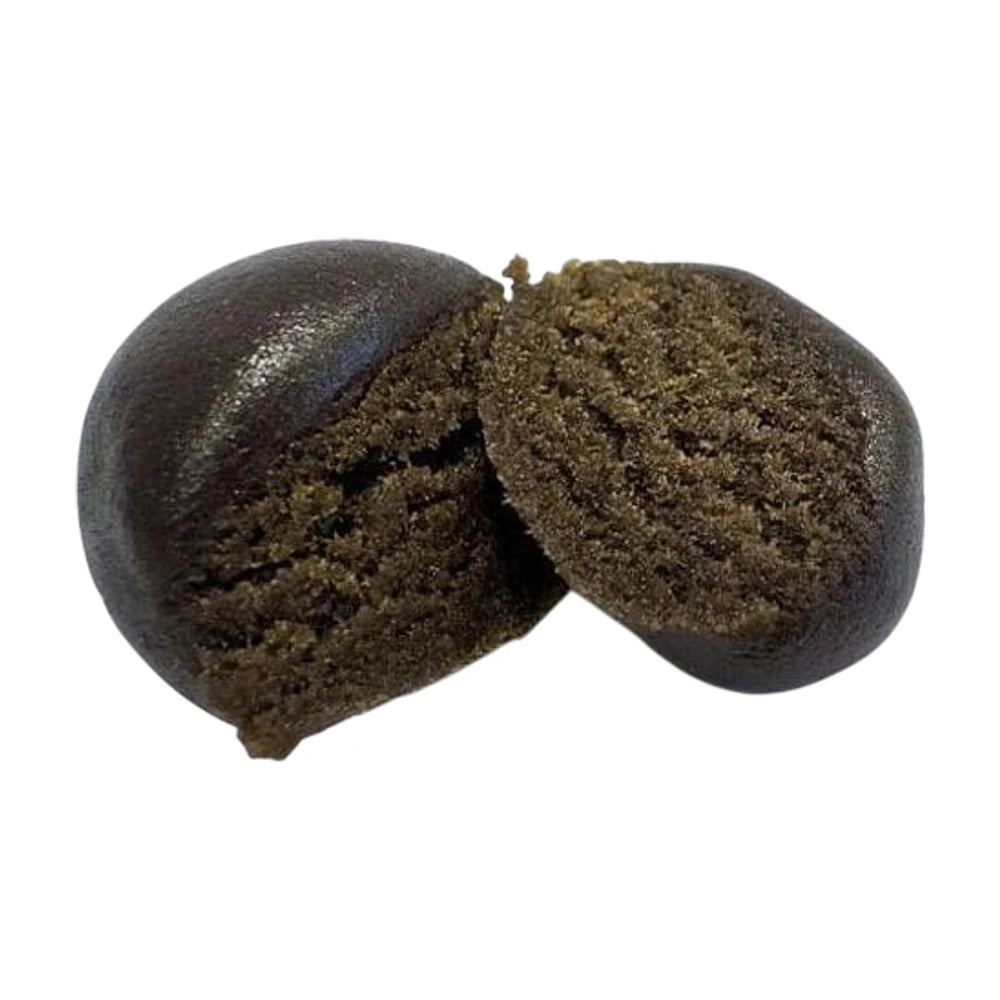
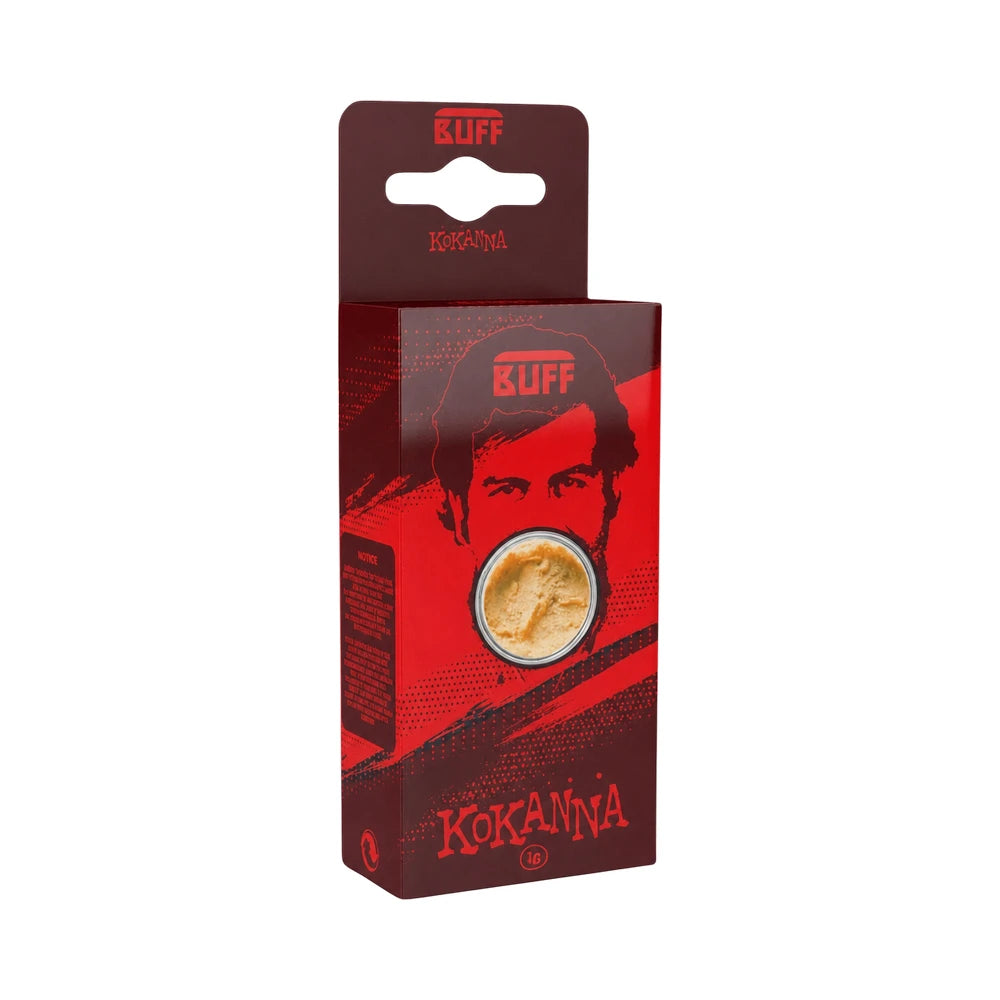





Kanna is the trade name of the succulent Sceletium tortuosum from South Africa. At Cannabude you can buy kanna as a powder (Buff Kokanna), as Kanna Hasch and as a vape pen. All three contain an extract from the plant, no cannabinoid and no nicotine. They are only sold to people aged 18 and over.
What is kanna?
Kanna is the name under which the plant Sceletium tortuosum is traded. Botanically it belongs to the ice plant family (Aizoaceae) and has nothing to do with hemp. The names Sceletium and Kougoed also appear in the trade. Kougoed goes back to Dutch settlers at the Cape. Our products consistently carry the name Kanna.
What makes the plant interesting for research are its alkaloids. The best known are called Mesembrin, Mesembrenon and Tortuosamin. These substances have nothing to do with cannabinoids, so a THC or CBD content tells you nothing here. The products in this collection are made with an extract from the plant.
Kanna plant: origin and appearance
The kanna plant occurs naturally only in South Africa. Its range extends from Namaqualand in the northwest to the area around Montagu and Aberdeen, mainly in the dry, calcareous Karoo regions of the Western Cape and Northern Cape provinces. The succulent is perennial and grows flat along the ground. Its fleshy, triangular leaves overlap like roof tiles. Carl Linnaeus described the species in 1753 as Mesembryanthemum tortuosum, and it was given the genus name Sceletium in 1926.
The Khoikhoi and San knew the plant long before the first European reports. They fermented and dried the parts above ground. Cannabude does not sell live plants or seeds. The range consists of processed products with plant extract.
What this collection offers
The products made from the plant cover three formats:
- Buff Kokanna: powder in a 1 g pack
- Kanna Hasch: dark, soft and mouldable extract in several sizes, currently available in 1 g, 2 g and 5 g
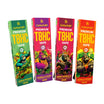
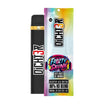
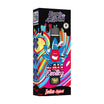
- Kanna Vape Pen: 1 ml fill volume, according to the product information with 1% kanna and 10% flavourings
The exact composition is given in the description of each product. The grid also contains the Highlander Highline 0.7 g. According to the product information it is a flower, and no kanna content is stated. So read the product page before buying, so you know which product you are putting in your cart.
Kanna powder: Buff Kokanna
If you want to buy kanna powder, you will end up with Buff Kokanna. According to the product description, the powder contains an extract of Sceletium tortuosum and icariin, a substance from the Epimedium plant. So it is not pure powder from the plant or ground herb. The pack contains 1 g. Store the powder in a dry place, protected from light and out of the reach of children. It is currently the only powder of this kind in the range, and we do not carry bulk packs.
Kanna extract as hash and vape
A kanna extract contains the constituents of the plant in concentrated form. The ratio of plant to extract varies from manufacturer to manufacturer. At Cannabude the extract is found in the hash and in the vape pens. The hash has a spicy, herbal aroma with a slightly earthy note. The pens carry the extract in vape format: Nature comes without added fruit flavours, Eisbonbon combines peppermint with candy, Cherry is all about sweet cherry. Piña Colada with coconut and pineapple is currently sold out and marked as such on the product tile.
Experiences and state of research
For this plant there are mainly user reports. In them, many users describe the plant as mild and rather subtle, and some say they notice hardly anything. With larger amounts, some report tiredness or drowsiness. Such reports are subjective and are no promise for any particular product.
Research is thin. According to the review by Brendler et al. (2021, Current Neuropharmacology 19(9), pp. 1384 to 1400), Mesembrin inhibits the reuptake of the messenger substance serotonin in laboratory tests. Human studies only exist with volunteers without any illness and with a standardised extract, and they cannot be applied to powder, hash or vapes.
Important warning: The authors advise against using Sceletium together with antidepressants such as SSRIs or SNRIs. There have been no reports of serious interactions so far, the caution follows from the mechanism seen in the laboratory. If you take medication, talk to your doctor first. More on experiences, studies and side effects can be found in the guide Kanna: effects and background of the plant.
Difference from kratom
The two names often come up together, but the plants are not related. Sceletium tortuosum is a succulent from southern Africa. Kratom, botanically Mitragyna speciosa, is a tree from Southeast Asia and belongs to the madder family, like the coffee plant. That is why you will not find kratom products in this grid but in a separate collection. Why the two are still compared so often is explained in the article Kanna vs. Kratom. Other botanical products such as Blauer Lotus are available in the Smartshop.
What to look for when buying
Figures such as a cannabinoid percentage are of little help with this plant. Instead, look at the format, the quantity and the composition in the product description, and for the pen also at the flavour. If a size or flavour is out of stock, it is marked as sold out on the product tile. The products are not intended for consumption or for medical purposes. Within Germany, delivery usually takes 2 to 5 working days, and the shipping provider also checks your age on delivery.
Frequently asked questions about kanna