HHZ Vapes17 products
 H2 Superior21 Vapes
 Flowers61 products
 I Love Pot
 Sheesh
 OnlyGrams
 Canapuff




Frozen Hash
What is frozen hash?
Frozen hash is hashish that is extracted from the cannabis plant with ice-cold water. The cold makes the plant's resinous gland heads (trichomes) brittle, they break off when stirred and are caught with fine sieve bags. What remains is a concentrate of trichome heads with few plant residues. So "frozen" refers to the cold in the process. The finished hash is usually not sold frozen.
In everyday language there are several names for the same product: ice hash, Ice-o-lator, bubble hash or water hash. "Bubble" comes from the air bubbles during stirring and from very pure material foaming up when heated. When a strain list says "Frozen", it almost always means this ice water method. This is different from hashish that is dry sifted, such as dry sift or static hash. An intermediate form is frozen sift (also frozen dry sift): frozen plant material is dry sifted, and no water is used.
Note: This page is a factual guide to hash types. In Germany, hashish containing THC is subject to the Consumer Cannabis Act (KCanG), and medical cannabis to the Medical Cannabis Act (MedCanG). Selling it in retail is not permitted. The information on this page about production and THC content describes classic hashish from the cannabis plant. It does not apply to the products in our shop.
You'll find frozen hash in the shop under Buy frozen hash. All other varieties are collected in the category Buy hash.
Production with ice water and sieve bags
The method has been known for decades and is described in the specialist literature. MacGowan and Martynenko summarise it in the Journal of Cannabis Research (2025) as follows: flowers are moved mechanically in ice water, the cold makes the resin brittle while the rest of the plant material stays flexible. This allows the trichomes to be separated from the rest. The rough process:
- Fresh or frozen plant material goes into a container together with ice and water.
- Stirring loosens the brittle trichome heads from the plant.
- The water runs through several sieve bags with decreasing mesh size, typically from about 220 to 25 microns. Each bag holds back its own fraction.
- The collected trichomes are dried, either by freeze drying or in the air. After that, they stay loose or are pressed.
The fractions differ considerably. The medium mesh sizes are usually considered the purest fraction, and the finest bags contain more fragments and dust. The same authors also name a disadvantage: some of the volatile aroma compounds (terpenes) are lost in the water. In addition, the material has to be dried after washing so that no mould forms.
Quality grades: from stars to full melt
Frozen hash is often graded with a star system from 1 to 6. The grade shows how pure the material is. 5 to 6 stars count as Full Melt Hash: it melts almost completely when heated and leaves hardly any residue. Grades below that contain more plant parts and are often pressed into classic hash. Freeze drying is common for the top grades because it preserves consistency and aroma better than air drying.
Frozen vs. static hash, Piatella and rosin
Many searches compare frozen and static, because both terms appear side by side in strain lists. The difference lies in the process. Frozen hash is made wet in ice water. Static Hash is made dry: dried flowers are moved over fine sieves, and static charge helps separate trichomes from plant residues. Piatella and rosin are not separate extraction methods, but further processing of resin that has already been extracted.
| Type | Process | Starting material | Typical form |
|---|---|---|---|
| Frozen Hash | Wet, ice water and sieve bags | Fresh, frozen or dried flowers | Grainy to sandy, loose or pressed |
| Static Hash | Dry, sieves and static charge | Dried flowers | Fine powder, often pressed |
| Piatella | Packed flat, matured cool for several weeks | Frozen hash in full melt quality | Flat slab, soft and creamy |
| Rosin | Heat and pressure, without solvents | Hash or flowers | Oil to budder-like mass |
Piatella Hash shows well how the types are connected: very pure frozen hash is packed flat and matures cool for several weeks until a soft slab forms. The name comes from the Italian "piatto" (flat). With Rosin, hash is pressed between hot plates until the resin comes out as oil. Rosin made from frozen hash is called hash rosin.
THC content of frozen hash
Frozen hash has no fixed THC content. It depends on the plant, the sieve fraction and the star grade. A review for medical professionals (MacCallum, Lo, Pistawka and Boivin, Cannabis and Cannabinoid Research, 2023) gives 40 to 60 percent THC in general for bubble hash and ice water hash. This is a rough guide from the specialist literature for hashish containing THC. It does not apply to the MeshFlash Frozen Hash line in our shop, because we do not sell hashish containing THC. The fewer plant residues the material contains, the higher the share usually is.
Legal situation in Germany
Frozen hash containing THC is hashish within the meaning of the KCanG. The law defines hashish as "the separated resin of the cannabis plant" (§ 1 No. 5 KCanG). Handling cannabis is generally prohibited under § 2 KCanG. Adults may possess up to 25 grams for personal use, and up to 50 grams at their place of residence (§ 3 KCanG). Exempt from the ban under § 2 (3) KCanG are, among other things, private home cultivation and distribution in cultivation associations. Trade remains prohibited. Medical cannabis is only available on prescription under the MedCanG. As of: October 2026.
Strains in the shop: MeshFlash and HHZ hash
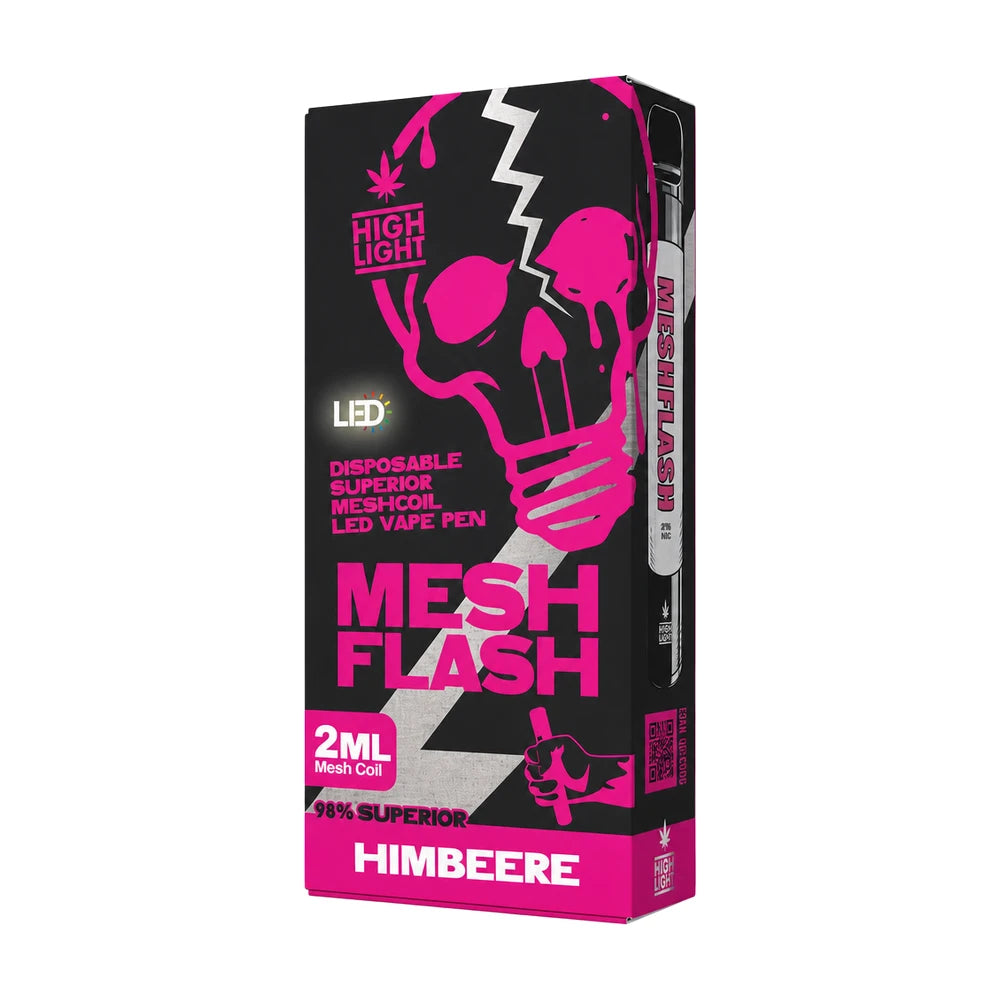
We do not sell hashish containing THC, trading in it is prohibited under the KCanG. Under the name Frozen Hash we stock the MeshFlash Frozen Hash line in three strains of 2 grams each. "Frozen Hash" is the name of the product line here, and the line is processed cold. The product pages describe strain, aroma, consistency and contents. They do not name an active ingredient or a content. The sections above on the ice water method and THC content are therefore not information about these products. The strains differ in aroma, and the consistency is resinous and pliable for all of them:
- Blueberry Fresh: berry profile with a sweetish, slightly earthy undertone.
- Piatella: earthy and spicy. Piatella is the strain name here, it refers to the Italian hash tradition.
- Purplegum: berry-sweet with a note reminiscent of chewing gum.
You can see all available strains and packs on the page Buy MeshFlash Frozen Hash. Store each pack in a cool, dry place away from light so that aroma and consistency are preserved.
If you are looking for hash with a specific cannabinoid, take a look at HHZ Hash. There you will find the strain Nepal Cream with HHZ blend, creamy in consistency and spicy-sweet in aroma. Nepal Cream is not frozen hash in the sense of the ice water method. HHZ is produced synthetically and is currently not listed by name either in the BtMG or in the NpSG annex (as of October 2026), and this can change with any amending ordinance. Sold only to persons aged 18 and over, shipping in 2 to 5 working days.
Frequently asked questions
What does frozen hash look like?
Freshly dried, frozen hash is grainy to sandy, and the colour ranges from light blond to golden brown to dark brown. A light colour usually indicates fresh starting material and few plant residues. When pressed it becomes darker and shiny on the surface, and when warm it becomes soft and sticky. Under a magnifying glass, the round trichome heads are easy to see.
What is a frozen hash slab?
This is the name for frozen hash that was pressed into a flat slab after drying. This makes the loose, sandy material compact, it crumbles less and is easier to store. The slab is therefore one of the most common forms of hashish.
What does fresh frozen mean?
Fresh frozen describes the starting material: the plant is frozen directly after harvest and not dried first. The aim is to preserve as many aroma compounds as possible. Fresh frozen material is used mainly for ice hash and live rosin.
How do you store frozen hash and how long does it keep?
Cool, dry, dark and airtight. Light, heat and oxygen make aroma and consistency fade over time. In the fridge the aroma lasts longer, but the packaging should then be tight so that no condensation reaches the material. There is no fixed expiry date, and it tastes most typical of the strain when fresh.