HHZ Vapes17 products
 H2 Superior21 Vapes
 Flowers61 products

 I Love Pot
 Sheesh
 OnlyGrams
 Canapuff















Filters
5 products

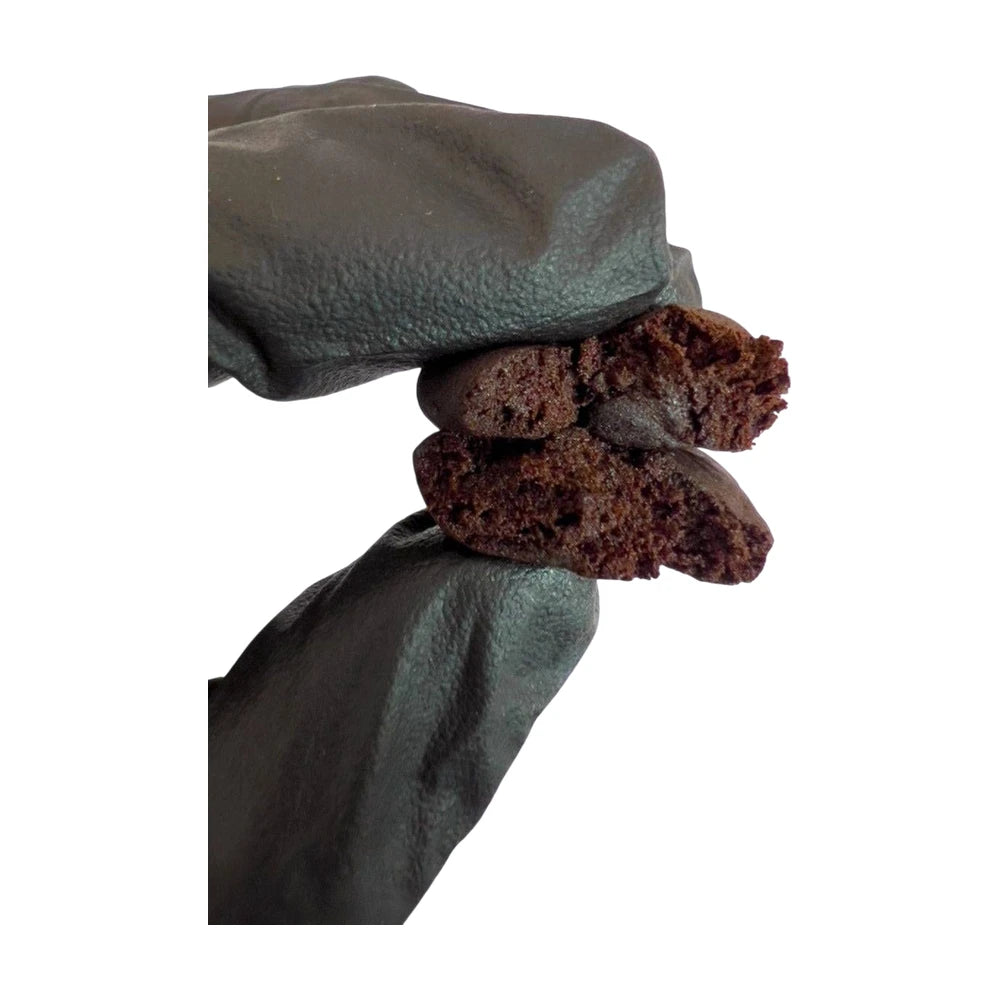
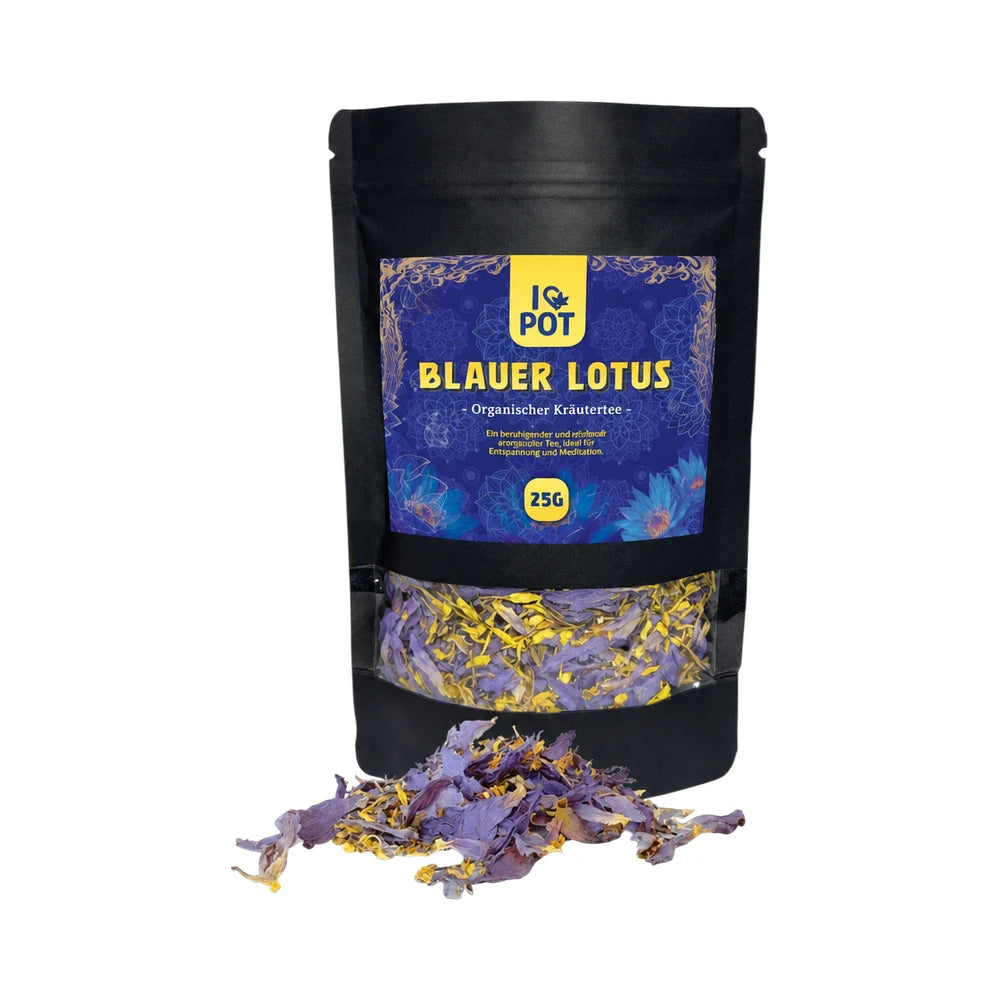
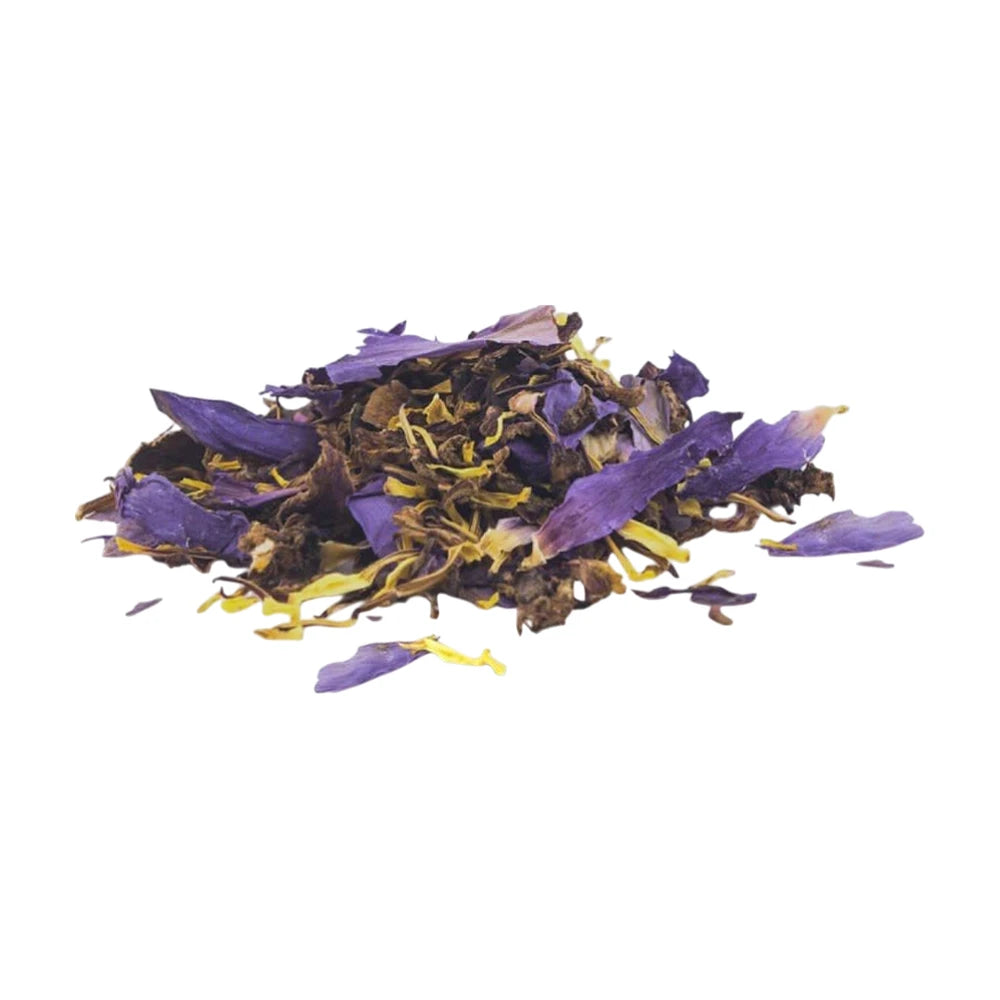



Blue lotus is the common name of the water lily Nymphaea caerulea. It grows in tropical Africa and along the Nile and already held a special meaning in ancient Egypt. The plant has nothing to do with hemp and contains no cannabinoids itself. At Cannabude you get it as tea, as dried flowers and as hash that combines lotus extract with CBD pollen. The key facts up front:
- Available: Blauer Lotus Tee (25 g), Lotus Special flowers (25 g), Blauer Lotus Hasch (1 g and 2 g), Lotus Special Hasch (2 g)
- According to the product description, the tea and the Lotus Special flowers consist of dried flowers of Nymphaea caerulea
- Both hash variants contain CBD pollen, the lotus plant itself is not a cannabinoid
- Shipping within 2 to 5 working days, sold only to persons aged 18 and over
Buy blue lotus: our range
In the shop we carry four products that are currently available. All details in the table come from the respective product pages.
| Product | Size | Ingredients | Aroma | Product type |
|---|---|---|---|---|
| Blauer Lotus Tee | 25 g | flowers of Nymphaea caerulea | floral, slightly sweet | Tea |
| Lotus Special Blauer Lotus Blüten | 25 g | whole, dried flowers | floral, slightly sweet, delicately herbal | Flowers |
| Blauer Lotus Hasch | 1 g, 2 g | CBD pollen and blue lotus extract | softly floral, earthy undertones | Hash |
| Lotus Special Blauer Lotus Hasch | 2 g | blue lotus extract and CBD pollen | softly floral, earthy undertones | Hash |
Tea and dried flowers
The Blauer Lotus Tee consists of selected flowers of Nymphaea caerulea. The Lotus Special flowers come as whole flowers in a 25 g supply pack. The difference lies mainly in the form: with the tea, the tea variety takes centre stage, with the Lotus Special flowers you see the whole flower.
Hash with lotus extract and CBD pollen
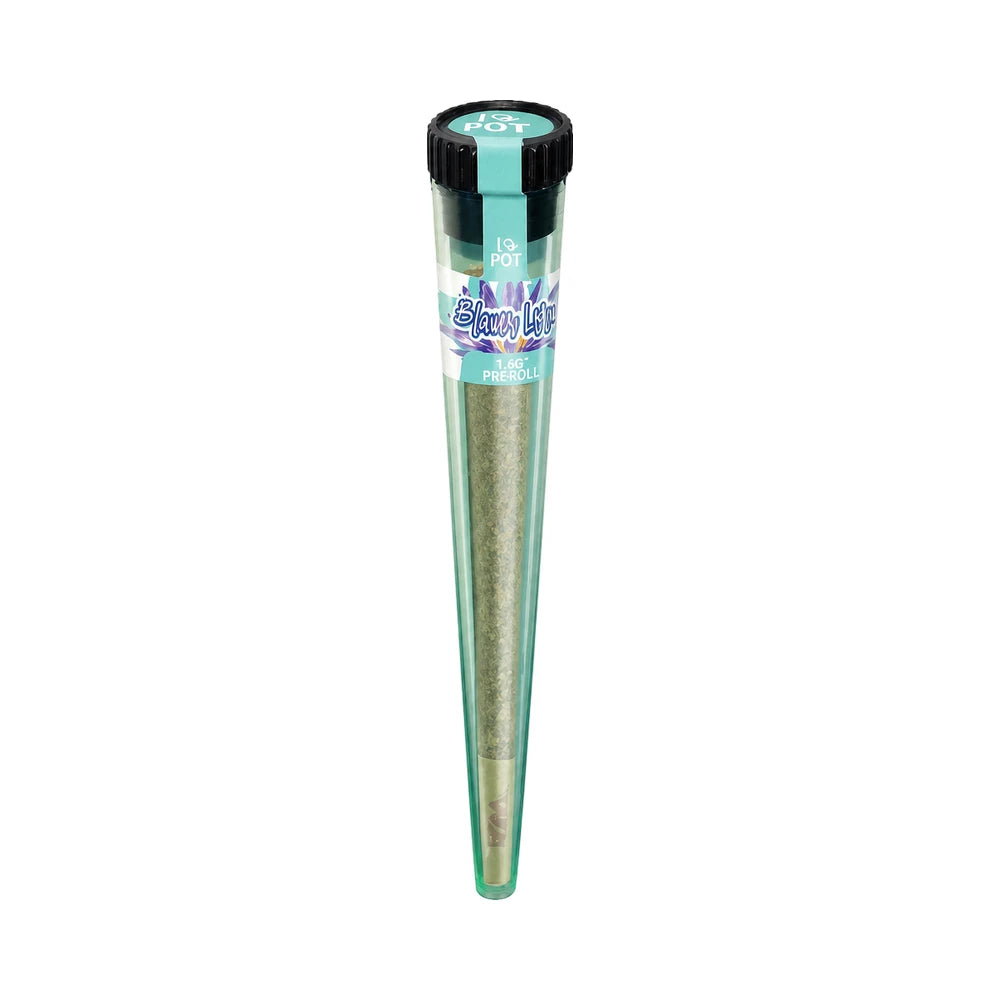
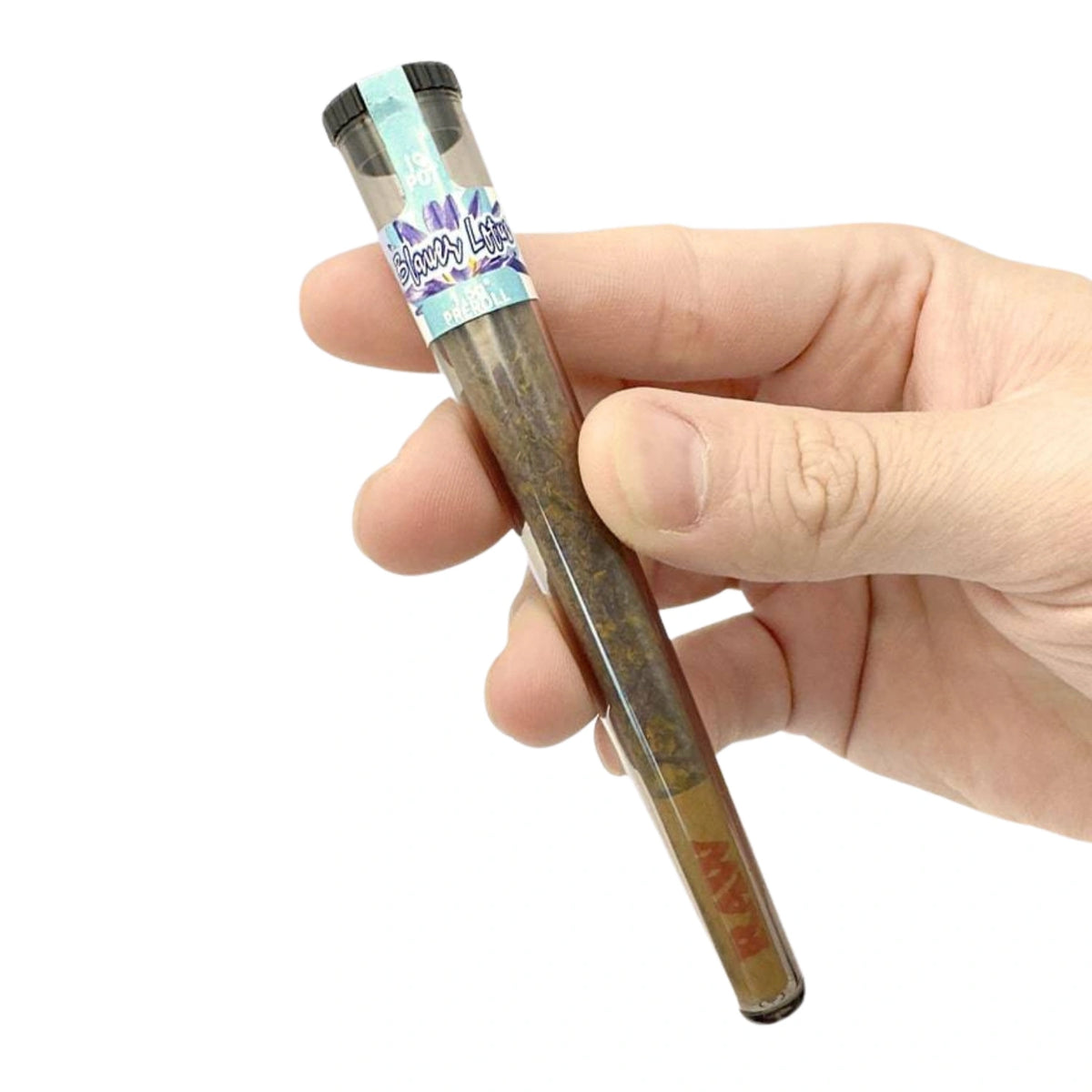
The Blauer Lotus Hasch is not a pure plant product. According to the product description, it is made from CBD pollen and blue lotus extract and has a hash-like consistency. The same applies to the Lotus Special Hasch. So it contains CBD from hemp, even though the lotus plant itself is not a cannabinoid. The Blauer Lotus Pre Roll made from 100% lotus flowers and the 10 g pack of hash are currently sold out.
Nymphaea caerulea: origin and history in Egypt
Botanically, blue lotus is a water lily from the water lily family (Nymphaeaceae). The Indian lotus (Nelumbo nucifera) belongs to a different family, but the name "lotus" has caught on anyway. The plant occurs in tropical and southern Africa and in Egypt grew mainly in the marshlands along the Nile.
In Egyptian art the blue flower appears constantly: on wall paintings in tombs, on reliefs and as a decorative motif. The ethnobotanist William Emboden interpreted these depictions in the journal Economic Botany (1978) as an indication that the Egyptians used the plant ritually. W. Benson Harer took up the topic in 1985 in the Journal of the American Research Center in Egypt. Both are interpretations of images and finds, not evidence of any particular effect.
Blue lotus effects: what users report and what research knows
What is known about the effects of the plant comes almost entirely from experience reports. In them, many users describe it as mild and rather subduing, some as dreamlike, others say they notice nothing at all. These reports are subjective and refer to the plant in general, not to a product from our shop. They are not a promise.
There are no reliable studies in humans. A short review in BJPsych Open (Teixeira, 2026) found fewer than ten publications on the topic, including a single peer-reviewed case series. The flowers mainly contain aporphine alkaloids such as nuciferine. How different lotus products are is shown by a laboratory analysis by Virginia Commonwealth University (Poklis et al., Journal of Psychoactive Drugs, 2017): nuciferine was found in all five samples, but the amount ranged from under 1 to around 4,300 nanograms per gram. The researchers detected apomorphine in only two samples. The authors consider it unclear whether such products achieve the effects they are advertised with online.
Difference from Kanna and other plants in the Smartshop
Lotus and Kanna are often mentioned together, but botanically they have little in common. Kanna (Sceletium tortuosum) is a succulent from South Africa, blue lotus is an aquatic plant.
| Blue lotus | Kanna | |
|---|---|---|
| Plant | Water lily (Nymphaea caerulea) | Succulent (Sceletium tortuosum) |
| Origin | tropical Africa, Nile valley | western South Africa |
| Researched constituents | aporphine alkaloids, mainly nuciferine | alkaloids, mainly mesembrine |
| Formats at Cannabude | tea, flowers, hash with CBD pollen | hash, powder, vape pens |
You can find the products under Buy Kanna, background on the plant in the guide Kanna effects and experiences. Other products that have nothing to do with hemp are collected in our Smartshop.
Storing tea, flowers and hash
Dried flowers absorb moisture and foreign odours. So keep the tea and Lotus Special flowers dry, dark and airtight, for example in a jar with a screw lid, and not next to strong-smelling products. Heat and light make the aroma weaker over time. Keep the hash cool in its original packaging or in a tightly closing tin so that it does not dry out. All products belong out of the reach of children and pets.
Frequently asked questions about blue lotus