HHZ Vapes17 products
 H2 Superior21 Vapes
 Flowers61 products
 I Love Pot
 Sheesh
 OnlyGrams
 Canapuff



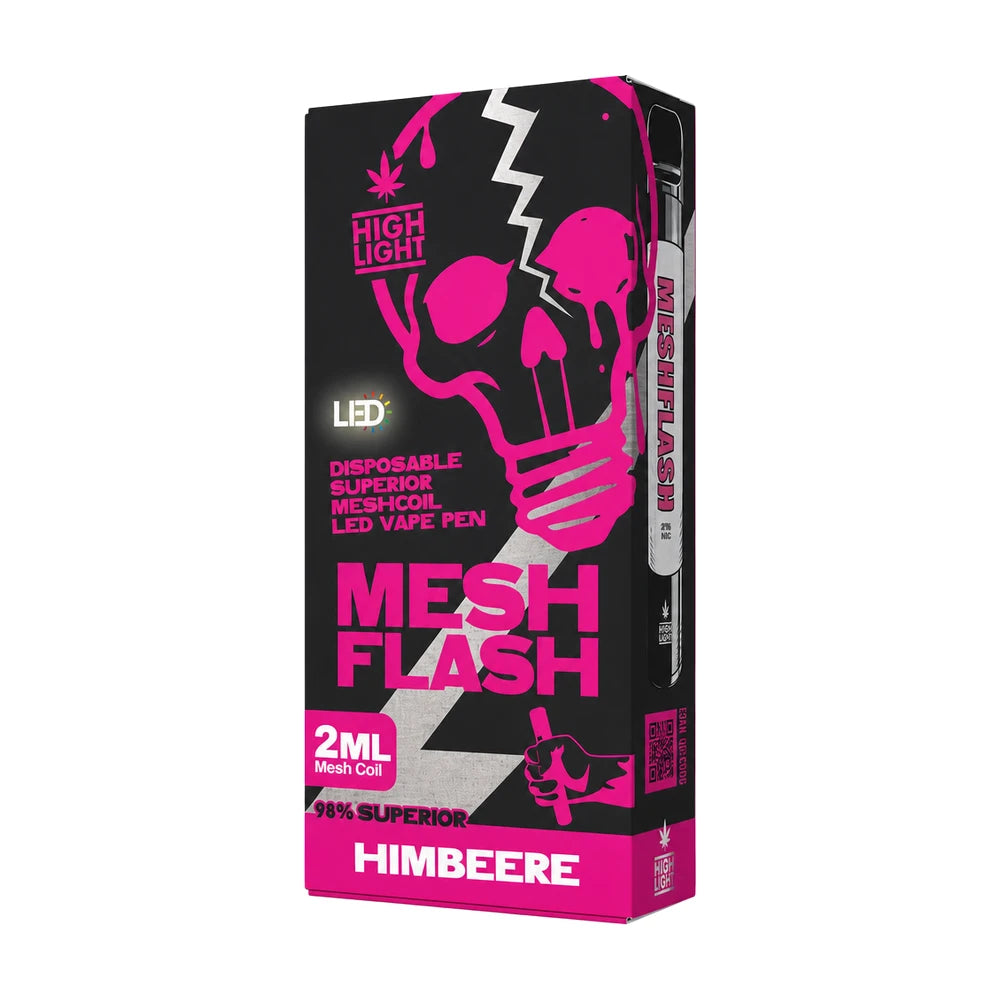

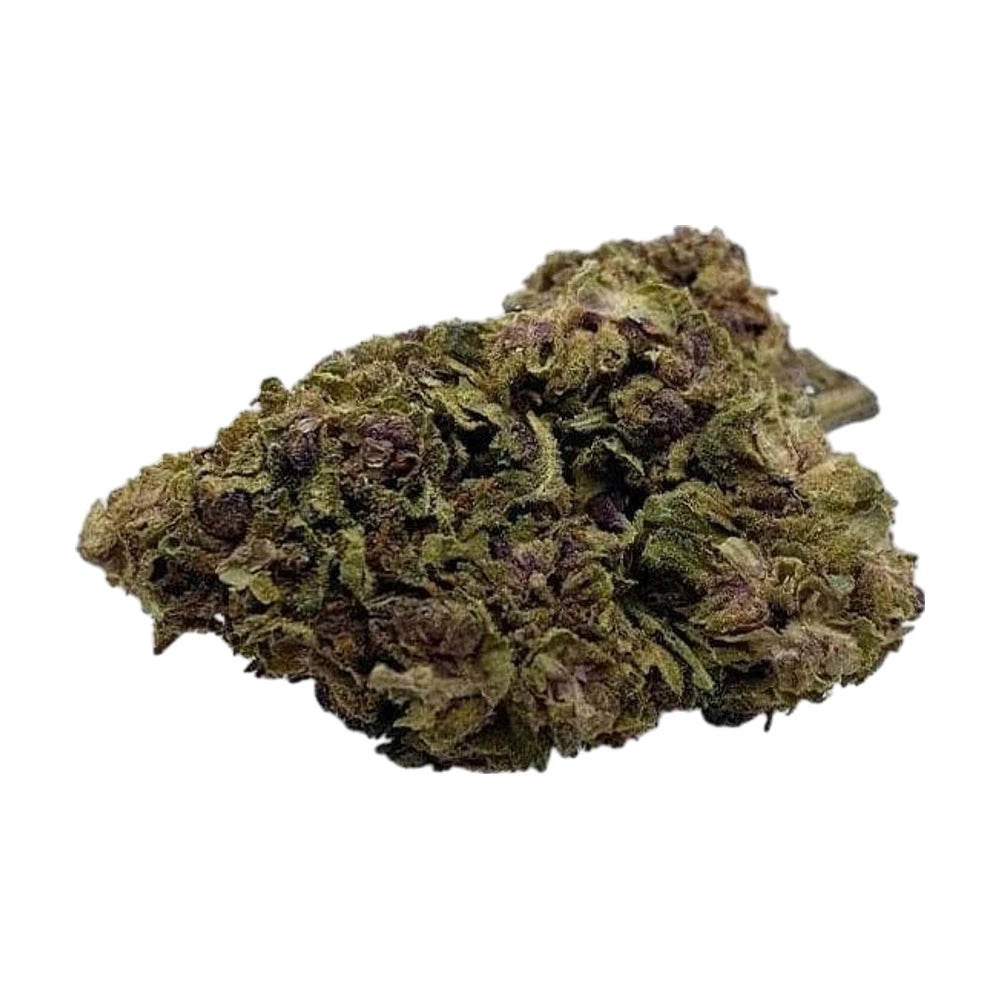
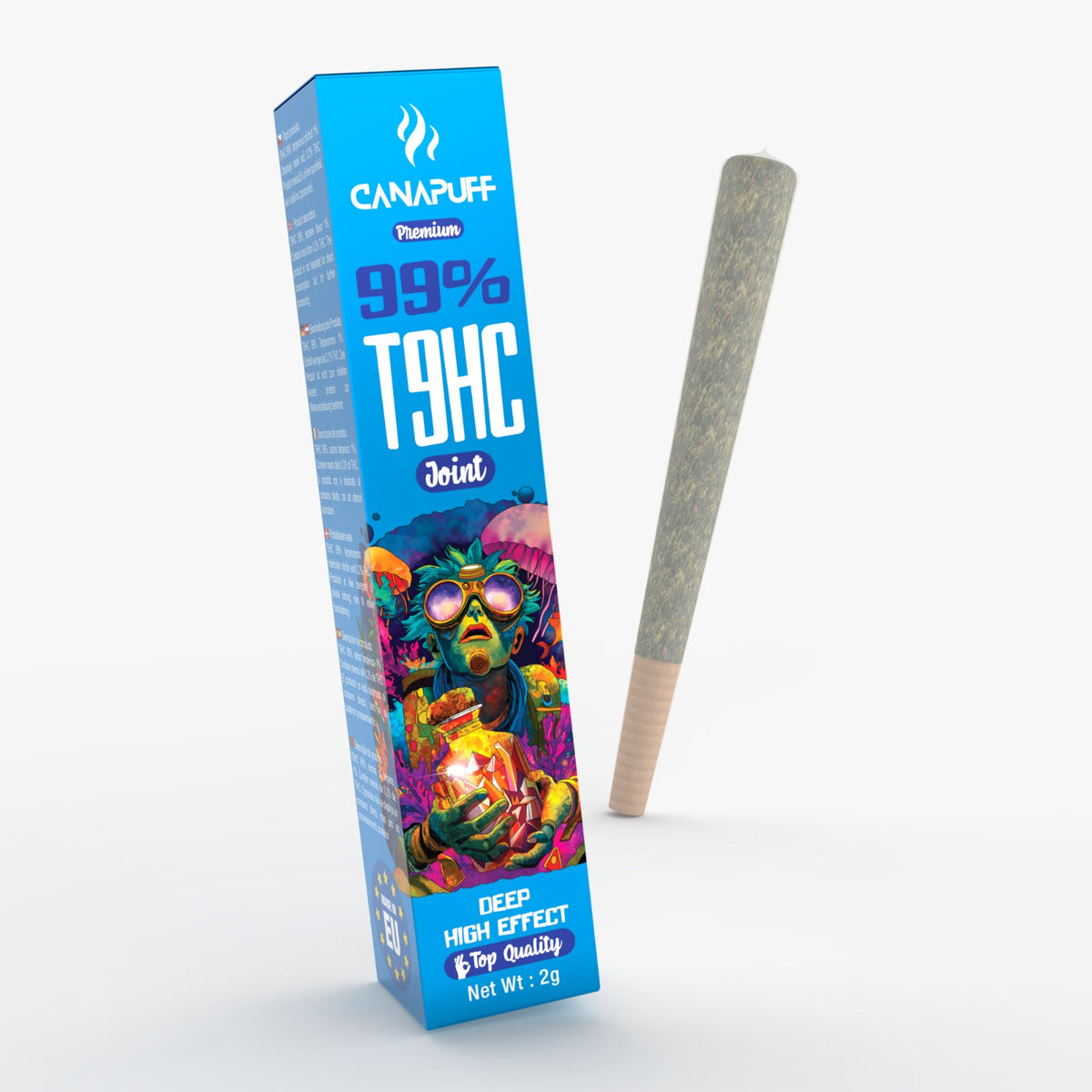



Table of contents
- Vaporizer: technology and materials overview
- Joint: product form and material requirements
- Comparison of pollutants and materials
- Terpene and aroma profile
- Material efficiency and costs
- Discretion and odour
- Environment and waste
- Compatible product forms
- Quality and product selection
- Vaporizer or joint: buying decision based on requirements
- Conclusion: technology and product comparison at a glance
Vaporizer or classic joint: two product forms that could hardly be more different. This is not about personal preferences, but about tangible differences in technology, material, costs and environmental impact. This comparison sets out both forms objectively so that you know what to look out for when buying.
Vaporizer: technology and materials overview
Vaporizers are reusable devices that bring plant material or cannabinoid distillates to an adjustable temperature via a heating element (coil or ceramic chamber). The result is a vapour without thermal combustion reactions. Modern devices feature precise temperature control, rechargeable batteries and replaceable atomiser heads, and are available as desktop vaporizers, portable devices or pen vaporizers.
Technically relevant are above all the temperature range (typically 160 to 220 °C), the chamber volume in ml, the battery life and how easy the materials used (stainless steel, glass, ceramic) are to clean.
Joint: product form and material requirements
A joint consists of flower material, paper and optionally a filter. It is a single-use product form without technical components. Pre-rolls are factory-made joints that can be used without any further accessories. The material required is limited to paper, filter and flowers: no device, no battery, no cleaning. In Switzerland, you can order the CBD vapes here.
Comparison of pollutants and materials
The key technical difference lies in the thermal process.
With a vaporizer, no combustion takes place. This means: no tar and combustion particles, no smoke, no combustion by-products. The active substances are released below the combustion temperature. This also protects the material itself, as less substance is destroyed by heat.
With a joint, the open flame and the smouldering of the paper and plant material inevitably produce smoke with combustion products. In addition, the joint continues to smoulder between uses, and material is lost without being used.
Pro vaporizer:
No smoke, no combustion, no tar, no tobacco required, gentle process.
Con vaporizer:
Higher purchase costs, regular cleaning and coil changes required.
Pro joint:
No technical components, no device, ready to use immediately.
Con joint:
Combustion products, tar, exposure to pollutants, loss of material through smouldering, often tobacco as a filler.
Terpene and aroma profile
Terpenes are volatile compounds that determine the aroma and the characteristic profile of a strain. They are sensitive to heat. More on this in the guide Terpenes in vapes.
In a vaporizer, terpenes are largely preserved at low temperatures because the process is controlled and takes place without combustion. This makes the strain profile much more distinctly perceptible. CBD flowers or variants such as HHZ develop a clearer aroma in a vaporizer, as no smoke components overlay the profile.
With a joint, terpenes are partly destroyed by the combustion temperature before they can be used. The resulting smoke taste overlays the aroma typical of the strain.
Pro vaporizer:
Purer terpene profile, intense strain nuances, no smoke taste.
Con vaporizer:
Aroma depends on the temperature setting and the condition of the device.
Pro joint:
Warm, strong smoke taste, perceived by many as characteristic.
Con joint:
Terpenes are partly destroyed, strain profile less differentiated.
Material efficiency and costs
Vaporizers use the material more efficiently because there is no smouldering between uses. Temperature control ensures that active substances are used in a targeted and complete way. With high-priced premium products such as enriched flowers or concentrates, this difference in efficiency has a significant impact on unit costs.
Because it keeps smouldering, a joint continuously consumes material, even when it is not actively being used. In the long run, this means a higher material requirement.
Pro vaporizer:
Low material consumption, maximum yield, economical with premium flowers and concentrates.
Con vaporizer:
Purchase of the device and accessories (coils, spare parts) as an initial investment.
Pro joint:
No device, no purchase costs, can be used spontaneously.
Con joint:
Loss of material through smouldering, higher consumption and follow-up costs in the long run.
Discretion and odour
Vaporizers do not produce a lingering odour. The vapour dissipates quickly and leaves hardly any residue in clothing or rooms. This makes them suitable for indoor use and situations in which an inconspicuous appearance is required.
Joints produce intense smoke and a characteristic odour that settles in textiles, hair and rooms. The visibility of the burning tip makes a joint immediately recognisable.
Pro vaporizer:
Mild odour that dissipates quickly, very inconspicuous, suitable for indoors.
Con vaporizer:
Visible vapour with certain types of device.
Pro joint:
No technical requirements, suitable for sociable outdoor situations.
Con joint:
Strong odour, lingers permanently, highly visible.
Environment and waste
Vaporizers are reusable devices. Single-use items are limited to the coil/atomiser head and, if necessary, spare parts. The total amount of waste is lower than with regular joint use.
Joints generate single-use waste with every use: paper, filter, packaging. With frequent use, the volume of waste adds up considerably.
Compatible product forms
Vaporizers are suitable for:
- CBD and HHZ flowers
- Concentrates
- Oil pods or cartridges (depending on the device)
- Herbal blends
Joints work best with:
- classic flowers
- pre-rolls
- mixed CBD+HHZ strains
- distillate-infused flowers
Note: Highly enriched flowers (e.g. HHZ, T9HC, Superior 40%) show a more even aroma and fewer unwanted side notes in a vaporizer than when burned.
Quality and product selection
Regardless of the product form: the quality of the material used is crucial. Flowers, clean distillates and a clear declaration are the basis for a reliable product. When buying a device, it is worth looking at the materials used, the available spare parts and the manufacturer's warranty.
Vaporizer or joint: buying decision based on requirements
Vaporizers suit you if you…
- value low-pollutant product technology
- want to experience the full aroma profile of a strain
- use premium flowers or concentrates
- depend on inconspicuous handling
- want to be material-efficient and cost-optimised
- prefer a reusable device
Joints suit you if you…
- do not want to buy a device
- prefer spontaneous, uncomplicated use
- share in groups and do not want any technical effort
- use pre-rolls without accessories
- prefer a low entry price
You can find both options in the shop: devices under Vaporizers, ready-rolled pre-rolls under all joints and loose strains under all flowers. Pre-roll vs. loose flower goes deeper into the format comparison, and Vape vs. vaporizer explains the difference between pen and vaporizer. You can find all topics at a glance in the guide overview.
Conclusion: technology and product comparison at a glance
Vaporizers and joints are two fundamentally different product concepts with different requirements in terms of material, budget and handling. The vaporizer scores with efficiency, aroma, low pollutants and durability. The joint stands for simplicity and a low entry barrier.
The buying decision depends on your specific requirements, not on general trends. What matters in both cases: quality first. Flowers with a clear declaration, clean distillates and devices with documented material quality are the basis for a reliable product.
Comparison overview
| Category | Vaporizer | Joints |
|---|---|---|
| Thermal process | Vaporisation without combustion, no smoke | Combustion → smoke, tar, combustion particles |
| Terpene profile | Largely preserved, typical of the strain, clearly distinguishable | Partly destroyed by combustion, overlaid by smoke taste |
| Material efficiency | Very high: no smouldering, no loss of material | Low: material smoulders away unused |
| Odour | Mild, dissipates quickly, discreet | Intense, clings to clothing and rooms |
| Long-term costs | Device more expensive, but lower material consumption | Low entry price, higher consumption in the long run |
| Compatible products | CBD, HHZ, concentrates, oil pods | Classic flowers, pre-rolls, infused flowers |
| Handling | Temperature control, cleaning, battery charging | Simple, spontaneous, no device required |
| Reusability | Reusable device, replaceable coil | Single-use product |
| Waste | Low (only coil/spare parts) | Single-use waste per use (paper, filter) |
| Discretion | Very high | Very low |
| Everyday suitability | Suitable for indoors, inconspicuous | Outdoor or sociable situations |
| Recommended for | Premium flowers, aroma quality, material efficiency, low-pollutant technology | No need for a device, uncomplicated entry, group use |