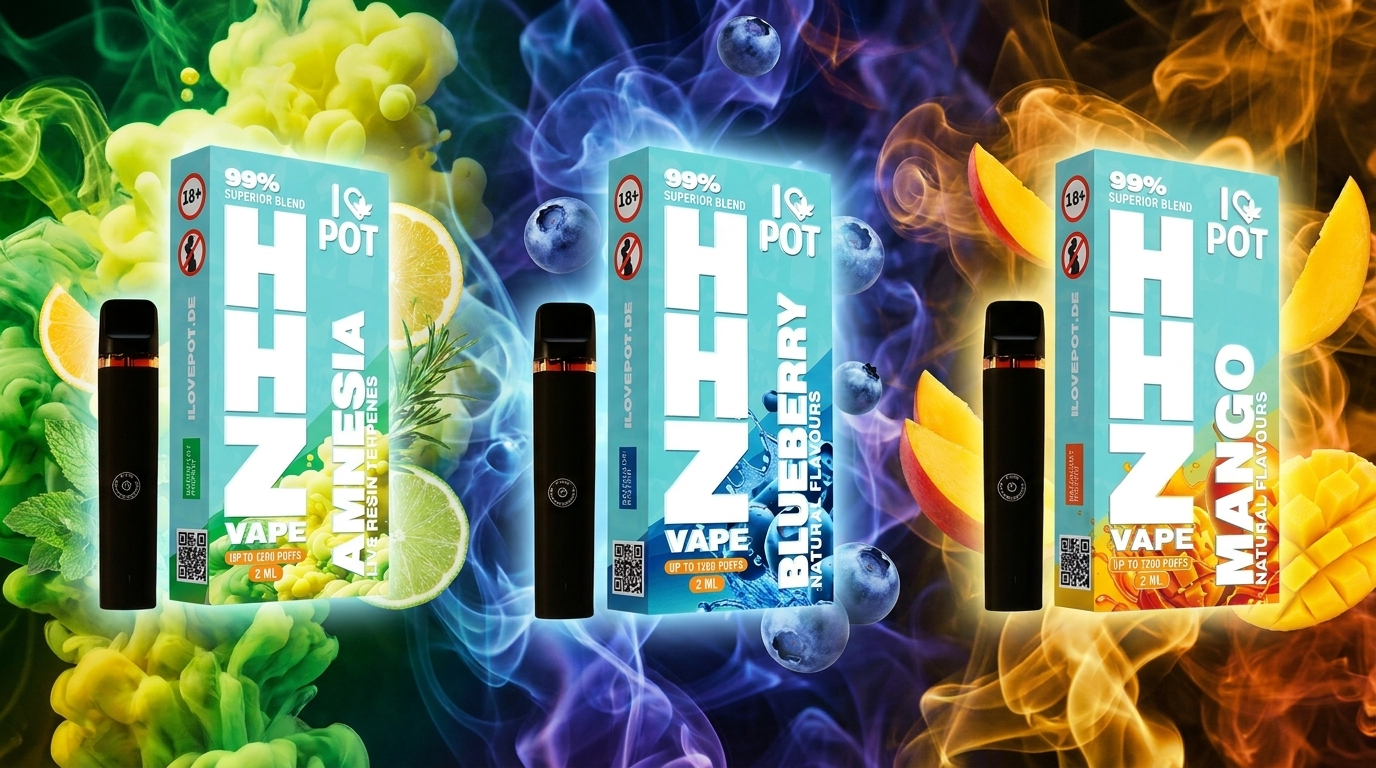
HHZ Vapes17 products
 H2 Superior21 Vapes
 Flowers61 products
 I Love Pot
 Sheesh
 OnlyGrams
 Canapuff


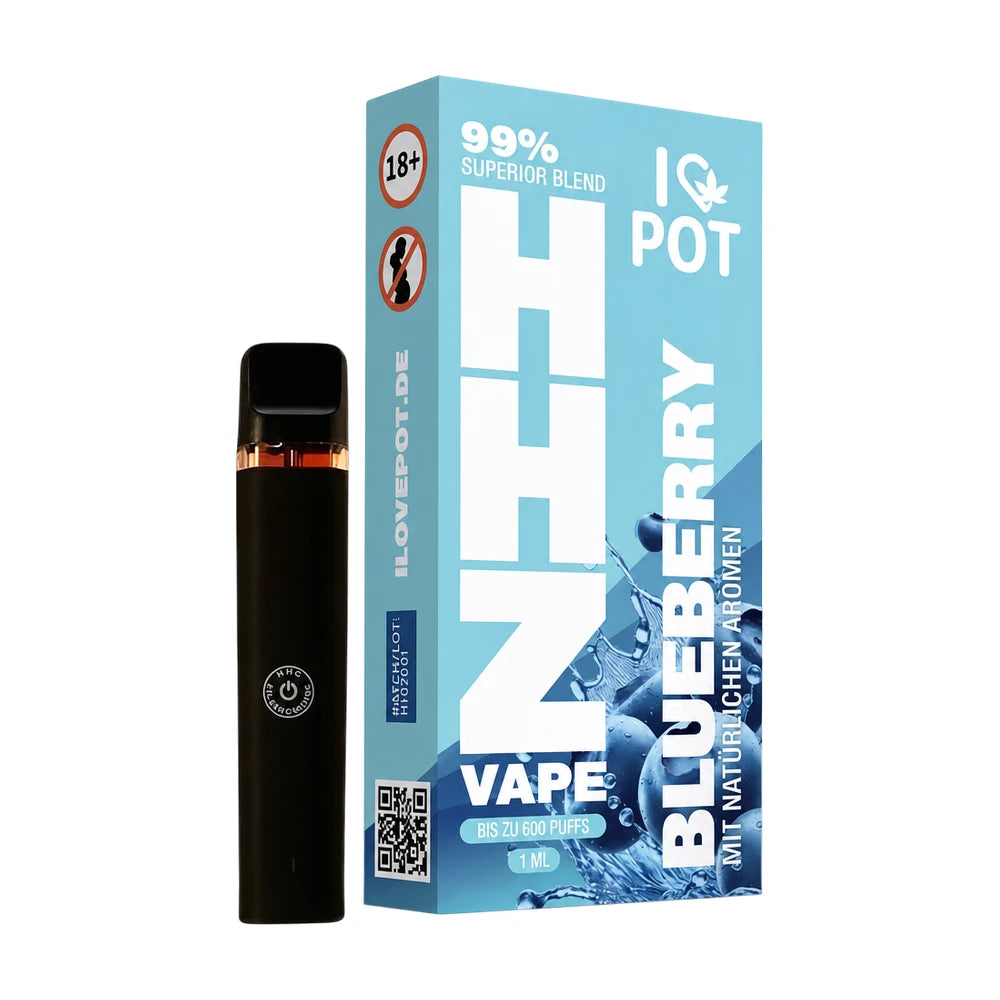
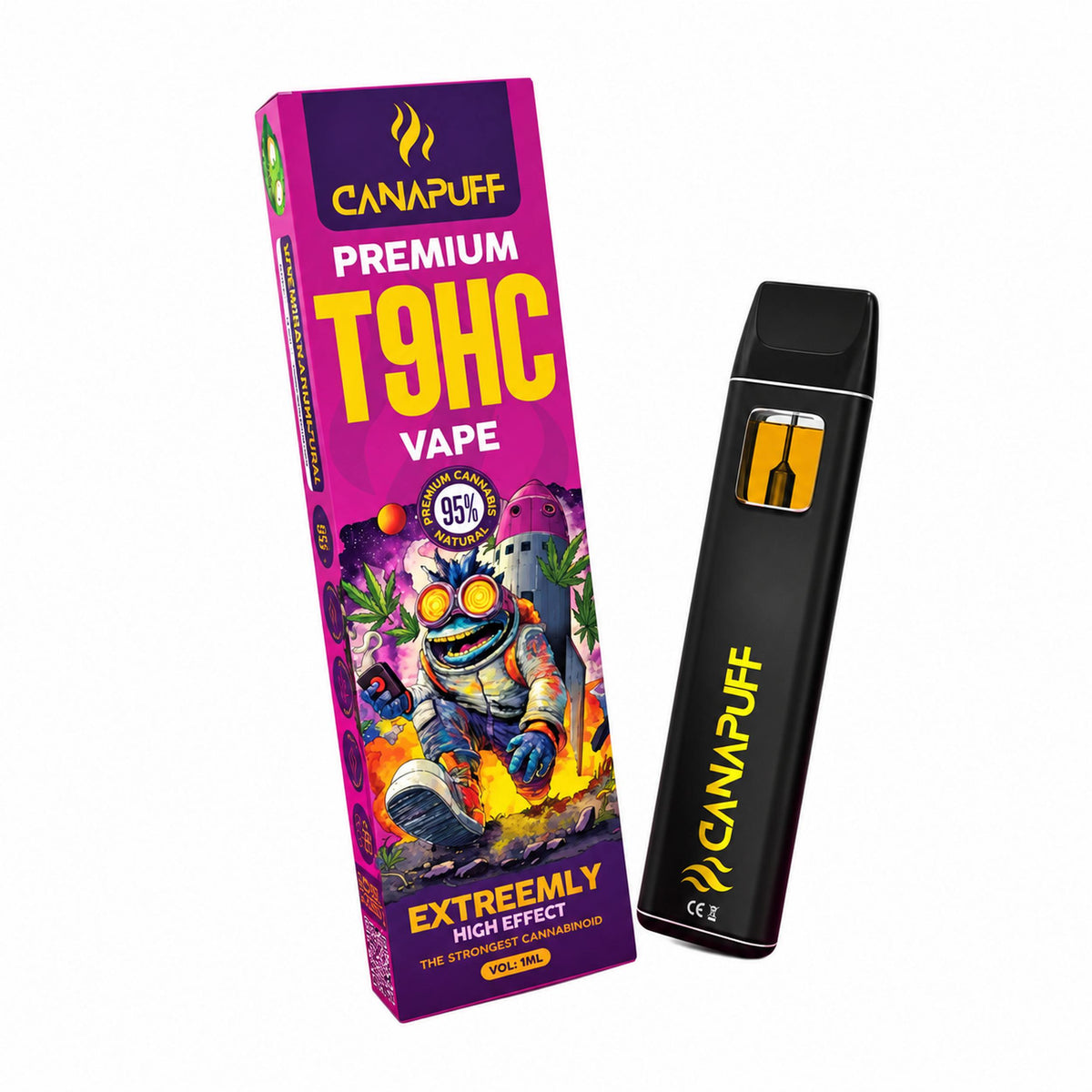

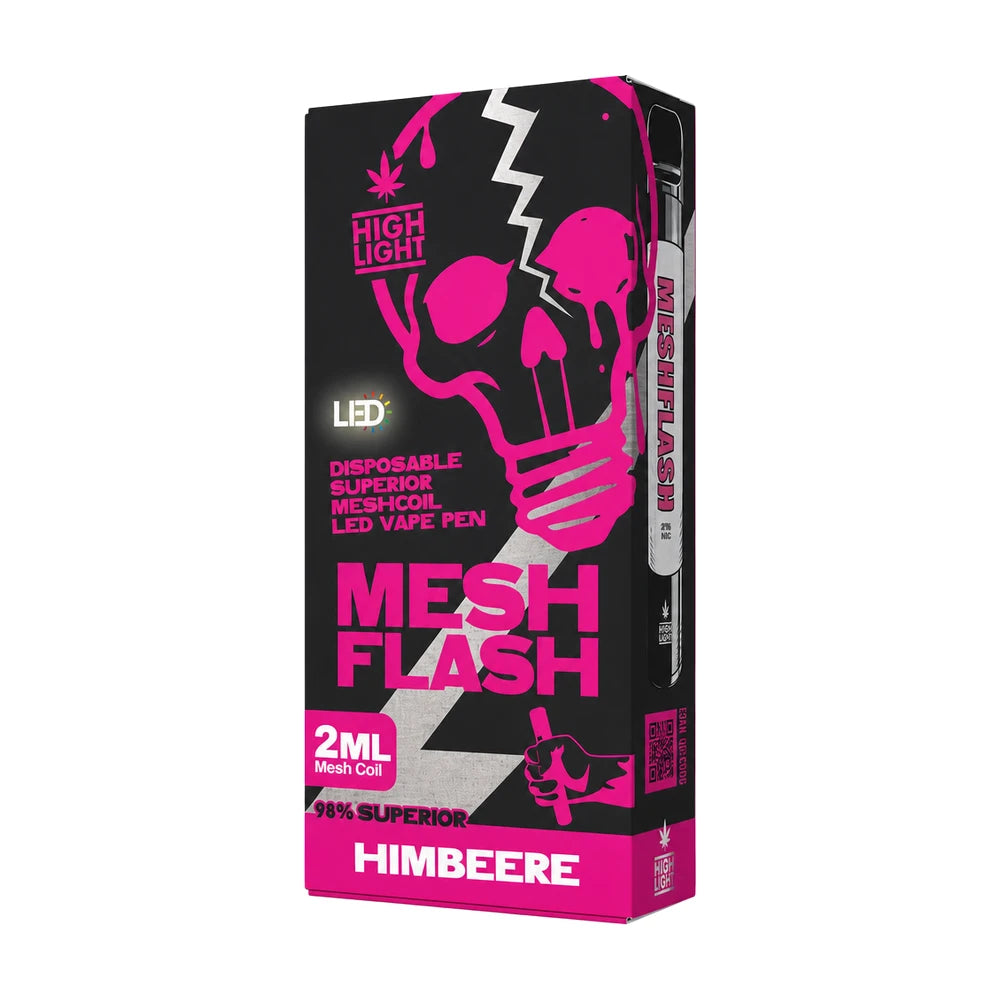

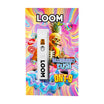
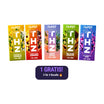
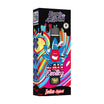
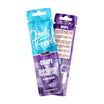
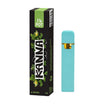
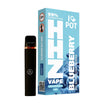
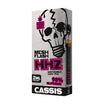
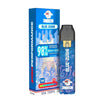
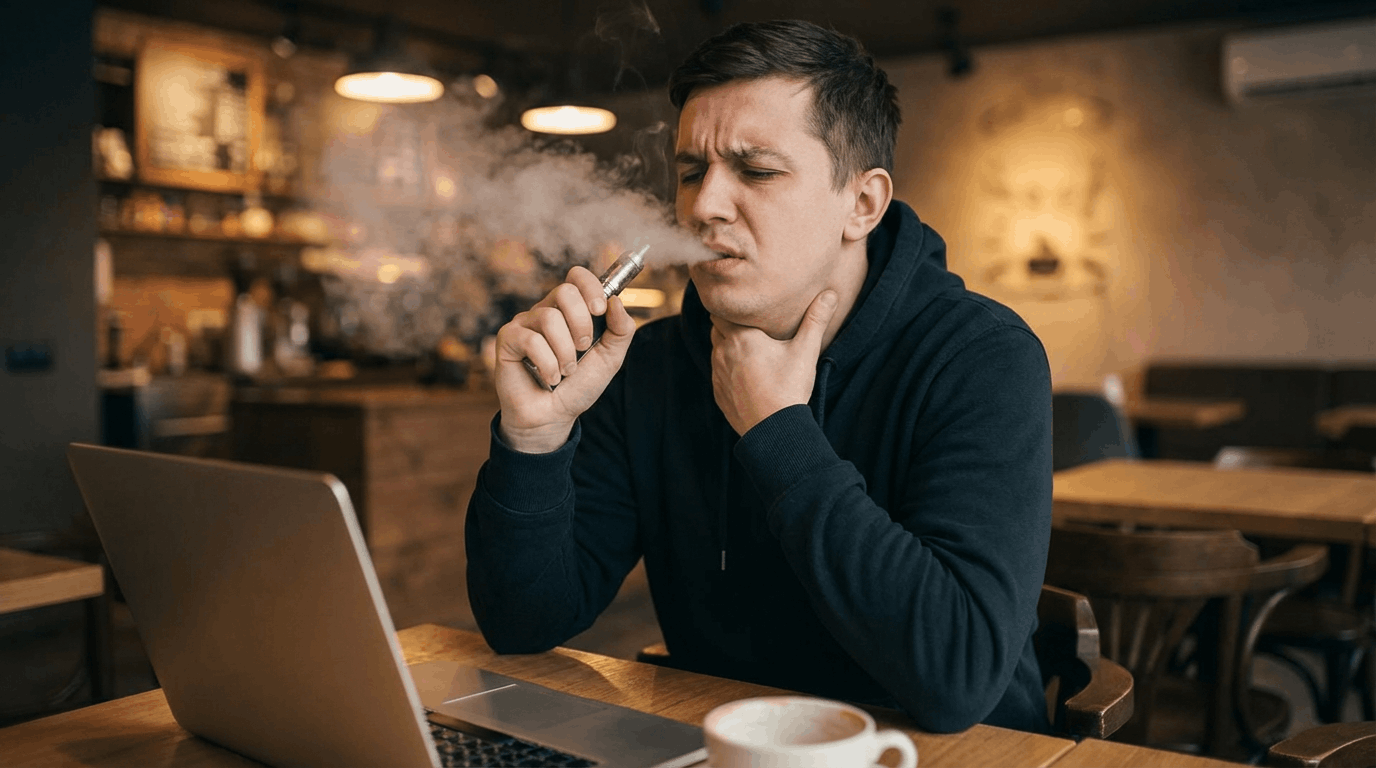
A vape that behaves unpleasantly in use almost always has a specific technical cause: in the device, in the liquid or in the settings. This guide explains which product and quality factors are responsible and how to recognise them.
Technical causes: why does a vape behave unpleasantly?
Product problems with vapes can almost always be traced back to one of the following causes: a defective or overheated coil, too high a wattage setting, a high PG content in the liquid, or, with cannabinoid vapes, certain terpenes or a high distillate ratio. Often several factors are at play at the same time.
In most cases, the problem can be solved through device settings, a change of product or correct storage, without having to dispose of the device.
1. Burnt coil or dry hit
One of the most common quality defects: a so-called dry hit. This happens when the coil is heated but the wicking material (cotton) is not sufficiently saturated with liquid. The result is a burnt, sharp smell and a clear deterioration in vapour quality.
When does this occur?
- The device is operated at too short intervals without the wicking material being able to soak up liquid again
- The liquid is almost empty and the coil is no longer fully immersed
- With viscous distillates (HHZ, H3), the liquid does not flow back quickly enough in the cold
Solution: let the device rest for 2 to 3 minutes so that the wicking material can become saturated again. In the cold, first bring the device to room temperature (in your hand or an inside pocket). If the coil is permanently burnt, only a new device or a new cartridge will help. With pod systems, switching to a new cartridge is enough, for example from the Elfbar Pods. More on common device errors: 5 beginner mistakes when vaping.
2. Device parameters: wattage and temperature
With rechargeable devices with adjustable wattage, too high a power level is a common cause of poor vapour quality. Too high a wattage heats the liquid too quickly and too strongly; the result is overheated vapour that affects material quality and taste.
Recommendation: start with the lowest recommended wattage and increase it gradually until the vapour quality is optimal. Follow the manufacturer's specifications for the coil and liquid. Disposable vapes have fixed parameters; here, the coil quality is the decisive factor.
Our range offers an overview of suitable devices: vapes at Cannabude.
3. Liquid composition: PG content and carrier substances
Propylene glycol (PG) is a common carrier in liquids and naturally produces a much drier vapour than vegetable glycerine (VG). A liquid with a high PG content produces a more aggressive vapour characteristic. If you prefer a milder product, look for liquids with a higher VG content.
With nicotine-containing liquids, the nicotine concentration also influences vapour quality. You can find nicotine-free alternatives in our article Vapes without nicotine: what you need to know.
4. Cannabinoid vapes: special product properties
HHZ, H3 and other cannabinoid vapes show different vapour properties from standard nicotine liquids due to the product, for the following reasons:
- High distillate content: vapes with 90%+ distillate contain less carrier liquid. This makes the vapour denser and drier, which places higher demands on coil quality and device parameters.
- Viscosity: cannabinoid distillates are viscous. In the cold, they become even thicker, which favours dry hits and increases the demands on the device's preheating function.
- New cannabinoids: substances such as H3BTA or DNT-9 have different chemical properties that deliver different results depending on the coil material and temperature profile. Which cannabinoids are currently permitted can be found in the overview of the legal situation 2026.
What helps: bring the device to room temperature before first use and choose sufficiently long intervals so that the wicking material can soak up liquid again. If the vapour quality is repeatedly poor, it is worth switching to a product with a lower distillate content or a different terpene profile.
5. Terpene profile as a quality characteristic
Terpenes are natural aromatic substances that give a vape its taste, but some terpenes produce a more aggressive vapour characteristic in higher concentrations. Particularly well known for this are:
- Myrcene: earthy, can be stronger with sensitive product combinations
- Alpha-pinene: fresh and woody, reacts noticeably more often with sensitive materials
- Linalool: floral, usually mild and well tolerated
- Limonene: citrus-fresh, well suited for most applications
If the vapour quality drops after a change of product, it is often due to the new terpene profile. How to choose the right terpene profile is explained in our article Terpenes in vapes: effect, taste & how to choose.
Practical measures to improve vapour quality
- Bring the device to room temperature: especially with cannabinoid vapes, 5 minutes in an inside pocket before first use improves the viscosity of the distillate and reduces dry hits.
- Take breaks between uses: at least 20 to 30 seconds between operating cycles so that the wicking material can fully soak up liquid again.
- Check the wattage: adjust the setting to the manufacturer's recommendation for the coil used; too much power overheats the liquid.
- Change the terpene profile: most users rate fruit and menthol terpenes as milder than strongly earthy or resinous profiles.
- Look after the mouthpiece: regularly remove condensation from the mouthpiece; dried liquid impairs vapour quality.
- Check the COA: only buy products with a current lab report (certificate of analysis); poor distillate purity noticeably worsens the vapour characteristic. Reading a COA and lab report shows how to read it.
- Compare distillate content: if vapour quality remains poor, switch to a product with a slightly lower distillate content and more carrier liquid.
Which terpene profile generally suits your requirements better is shown in our guide Choosing the right vape flavour.
FAQ: vapour quality and product selection
Why does a new vape initially deliver poorer vapour quality?
With a new vape, the wicking material needs a few operating cycles to become fully saturated with liquid. Slightly different vapour quality in the first moments of use is normal and improves after a short running-in phase. If the quality remains poor, the terpene profile or the distillate content is the most likely cause.
Why is vapour quality more demanding with cannabinoid vapes?
Cannabinoid distillates have a high active substance content and little carrier liquid; this makes the vapour denser and places higher demands on coil quality and device parameters than nicotine-containing liquids. Bring the device to room temperature beforehand and take sufficient breaks between operating cycles.
Disposable vape with poor vapour quality: is that a device fault?
Persistently poor vapour quality can indicate a burnt coil (dry hit). In this case, stop using the device. With persistent quality problems, consider switching products. If you have health complaints, see a doctor.
Which vape produces the mildest vapour characteristic?
Vapes with a balanced terpene profile, a fruity or menthol-based flavour and a distillate content that is not too high usually deliver the mildest vapour characteristic. Our guide The best vapes: criteria and ratings offers an overview of our products with mild profiles.
Vapour quality worse after changing products: why?
Every product has a different terpene profile and a different distillate content, which influences the vapour characteristic. If the quality remains poor after a few days of use, the terpene profile is probably not optimal for the device used; here you can find help with choosing a product.
Conclusion
Poor vapour quality in a vape is not a matter of fate and almost always has a technical or product-related cause. In most cases, it is enough to check the device parameters, bring the device to room temperature before use or choose a product with a more suitable terpene profile. If you rely on quality and well thought-out terpene blends from the start, you will benefit from better vapour characteristics in the long run.
Our vape range at Cannabude offers products in various flavour profiles, so that you can find the right one for you without compromising on quality. If a device no longer draws at all, the guide Vape not drawing: causes and solutions will help.