HHZ Vapes17 products
 H2 Superior21 Vapes
 Flowers61 products
 I Love Pot
 Sheesh
 OnlyGrams
 Canapuff



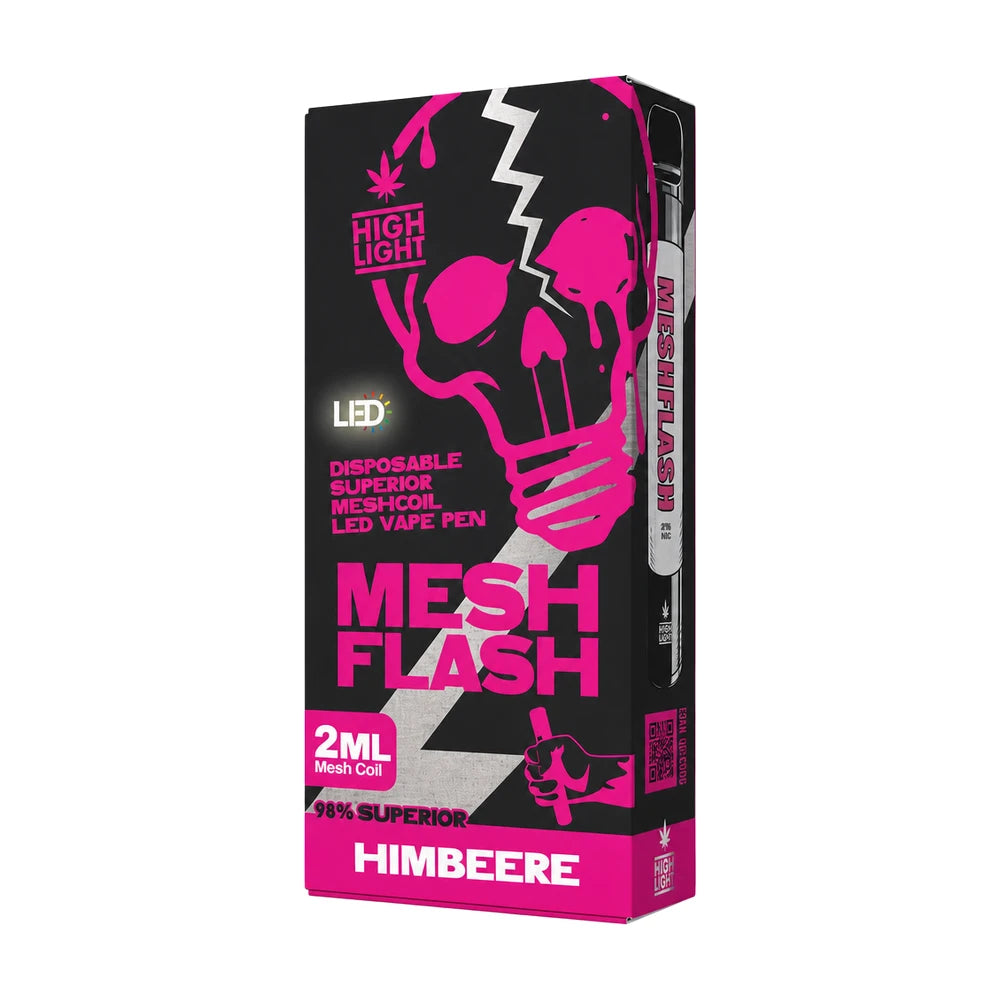
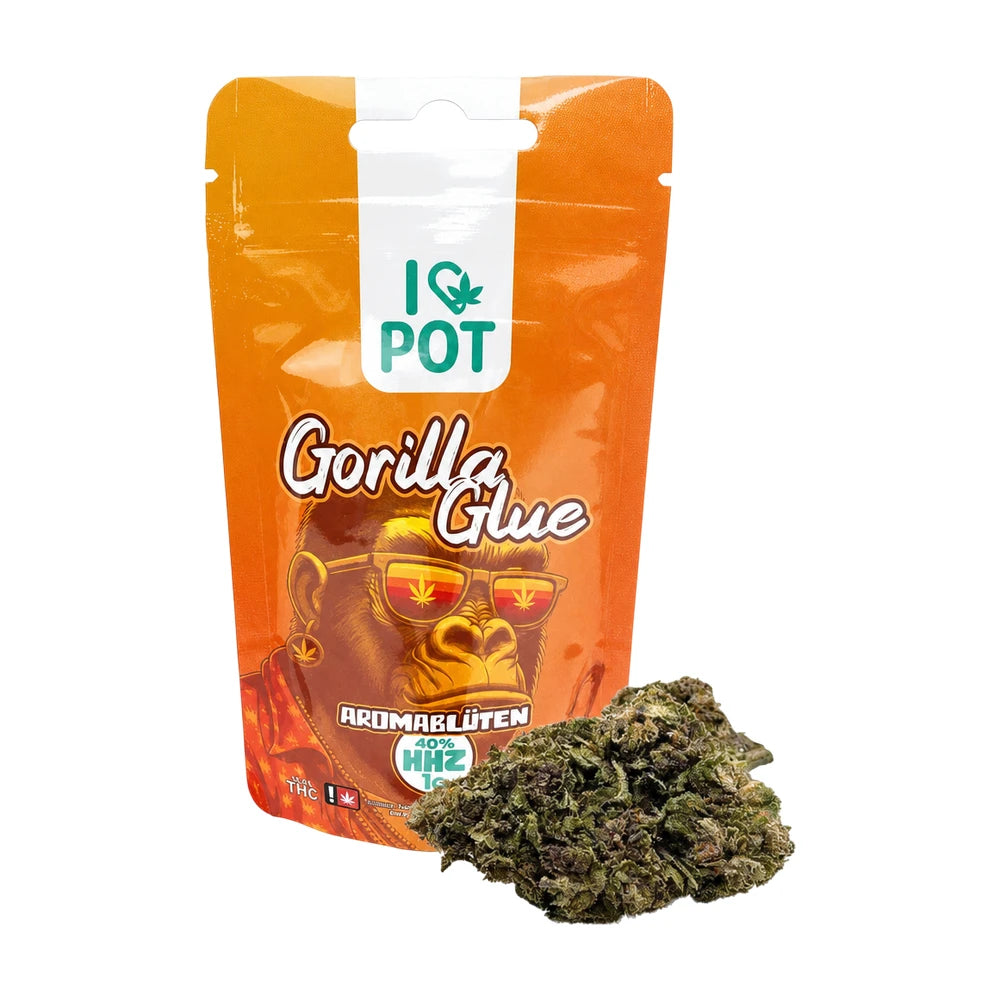
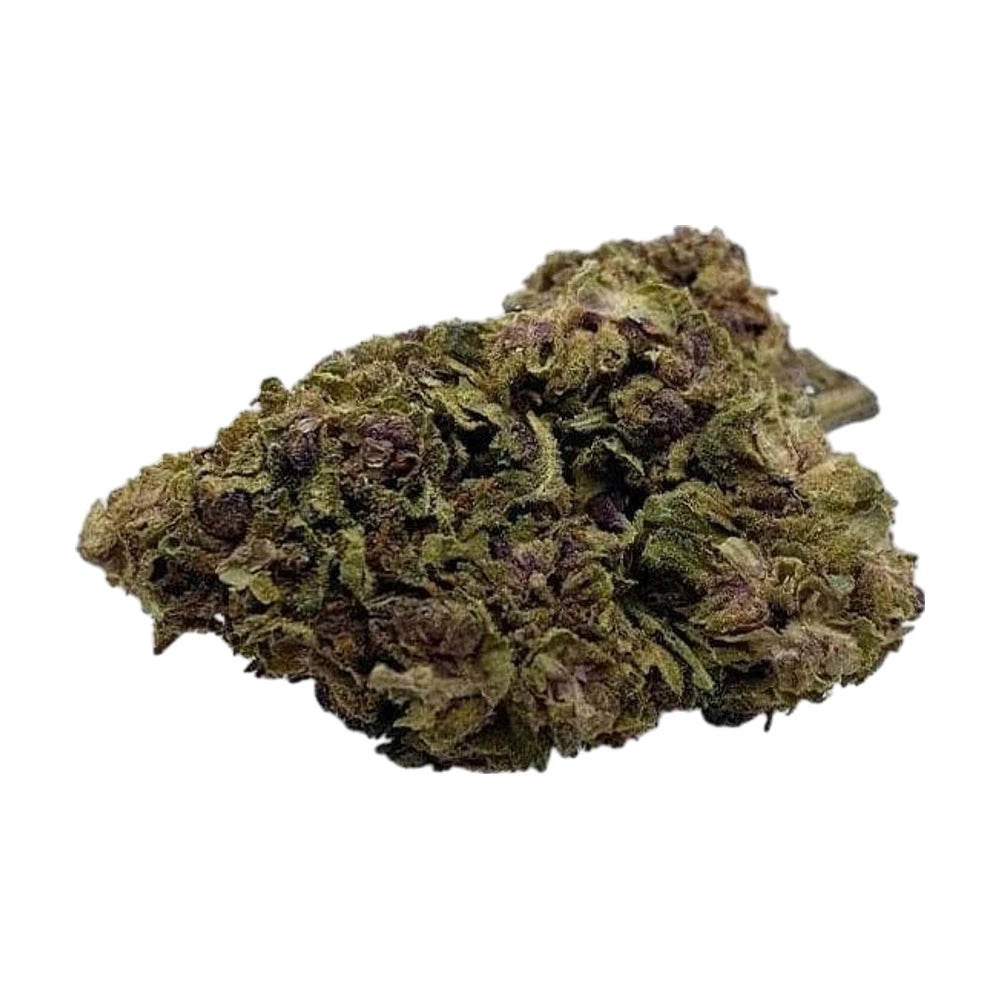
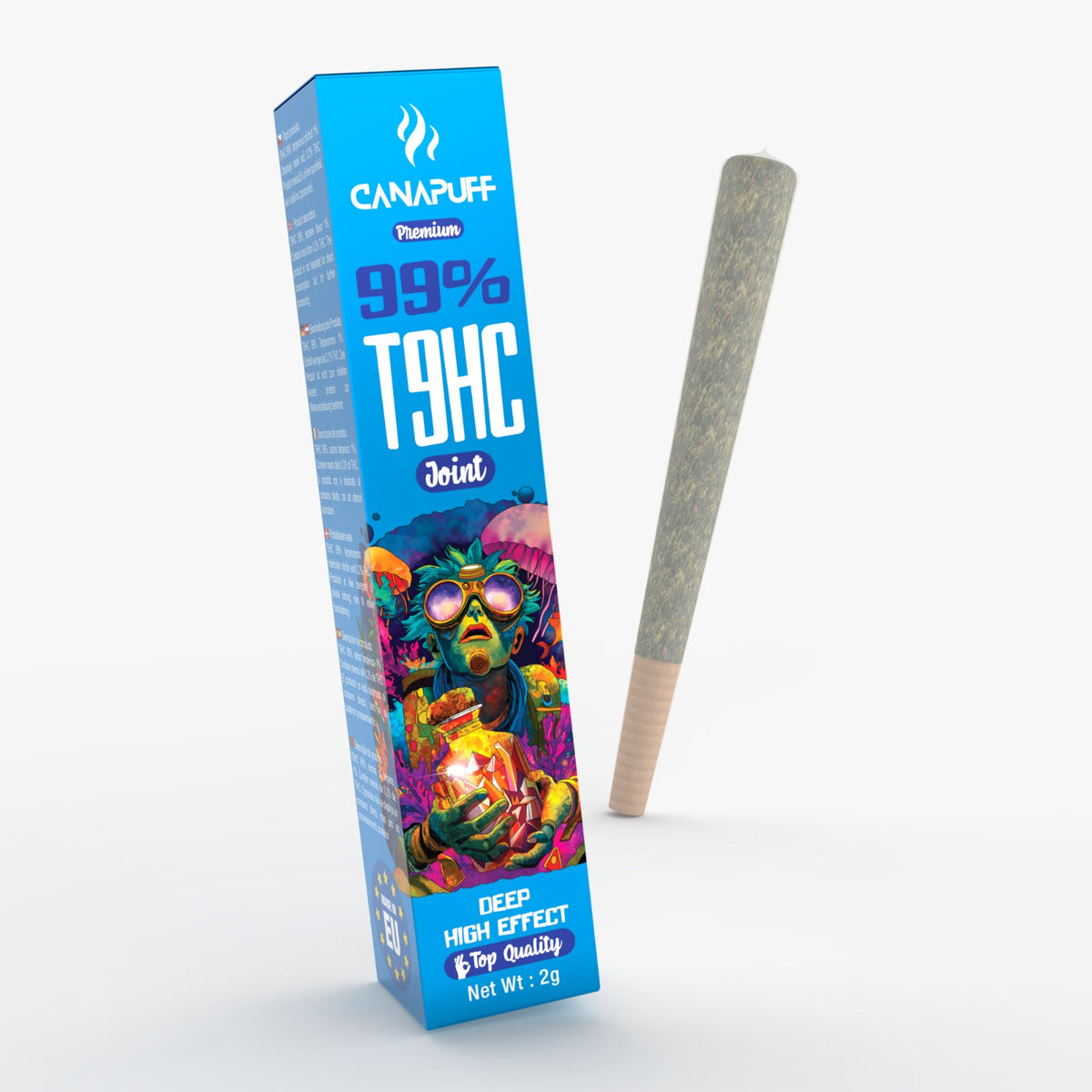

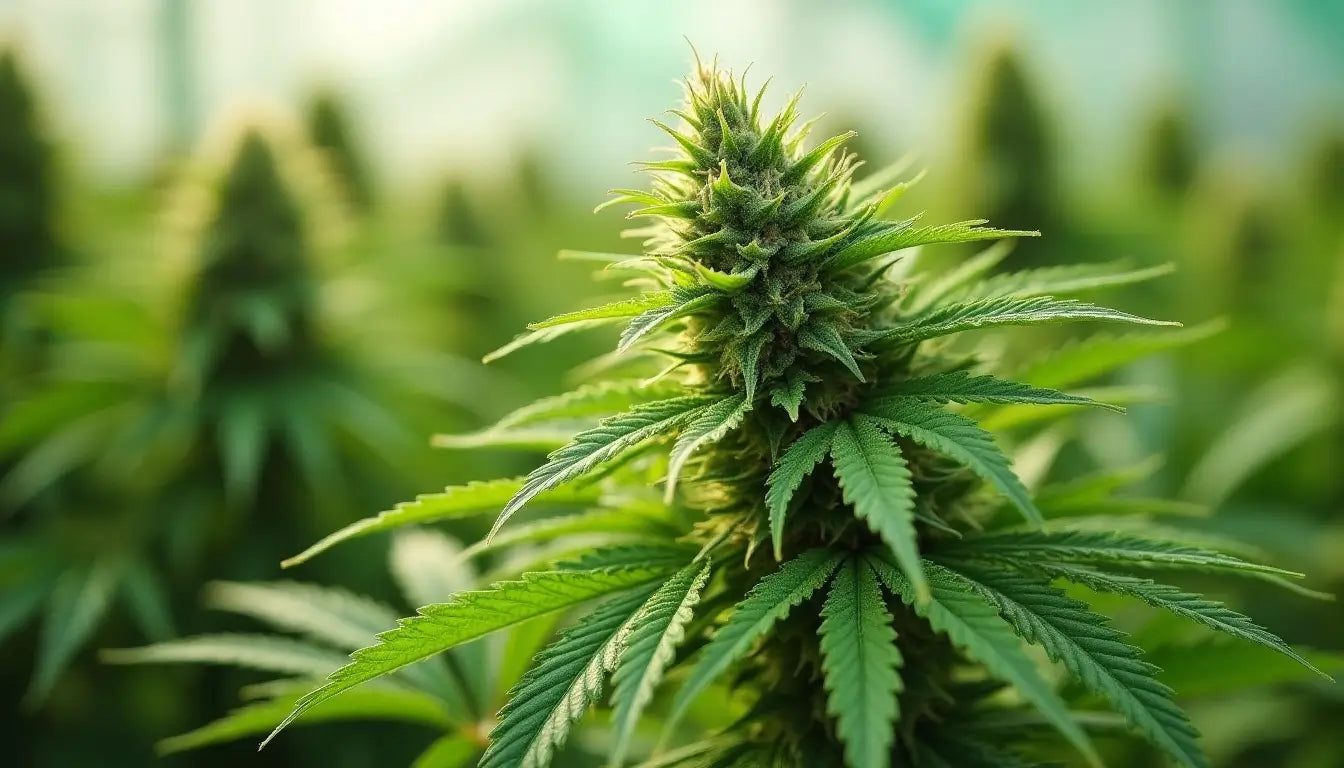
THC-A (also: THCA, tetrahydrocannabinolic acid) is a naturally occurring cannabinoid compound in the cannabis plant. In its natural form, THC-A exists as an acid and differs chemically from THC by an additional carboxyl group (-COOH). Our cannabinoid overview page offers a broad overview of all relevant active substances.
What is THC-A?
THC-A is the chemical precursor of THC, i.e. the substance that is initially formed in the plant in its acid form (hence the "A" for acid). The molecule carries a carboxyl group (-COOH) that THC does not have.
This chemical difference determines how the molecule behaves: THC-A does not have the molecular geometry required to bind to CB1 receptors. In contrast, cannabinoids such as HHZ or THCV are independent molecules with a different structure and their own chemical profile.
The process in which THC-A loses its carboxyl group and converts into THC is called decarboxylation. This is a chemical process triggered by the application of heat. The conversion starts at around 110 °C and proceeds more quickly at higher temperatures.
What we offer instead and how the legal situation for THC products looks is explained in the overview THC Vape.
How is THC-A formed in the plant?
THC-A forms by itself in the cannabis plant as it grows and matures, without any outside intervention.
The starting point is CBGA (cannabigerolic acid), which is referred to as the "mother of all cannabinoids". From this substance, the plant forms different compounds depending on the strain, temperature and light conditions, including CBD-A, CBG-A or THC-A.
The development chain works like this:
- CBGA is the plant's starting substance.
- Enzymes in the plant convert CBGA into THC-A (or other acid forms) depending on the strain.
- As long as the flowers remain raw and unheated, THC-A is chemically preserved.
- When heat is applied (decarboxylation), THC-A converts into THC.
Fresh, untreated flowers therefore contain almost exclusively THC-A. In heated or dried products, part of it has already been chemically converted into THC. How terpenes and other plant substances play a role here is explained in our separate terpene article.
THC-A vs. THC: the difference
THC-A and THC differ by a single chemical group: the carboxyl group (-COOH). In its raw form, THC-A does not bind to the CB1 receptors in the brain, because its molecular geometry does not allow this binding. Only after decarboxylation does the resulting THC molecule have the shape required for CB1 binding.
| Characteristic | THC-A | THC |
|---|---|---|
| Chemical form | Acid form (with carboxyl group -COOH) | Activated form after decarboxylation |
| CB1 binding | No: molecular geometry unsuitable | Yes: binds to CB1 receptors |
| Occurrence | Fresh, unheated flowers | Heated or dried products |
| Conversion | Becomes THC through heat from ~110 °C | Already chemically active |
| Legality (DE) | Treated legally like THC | KCanG and MedCanG: prescription, cultivation association or home cultivation |
| State of research | Early stage, little evidence | Well researched |
THC-A is the chemically unchanged counterpart of THC. You can find a comparison of the cannabinoid lines and their profiles in our article HHZ, H2 or H3 compared.
Which products contain THC-A?
THC-A is known as a component of fresh cannabis flowers and extracts. The form in which it is present in a product depends on whether and how the starting material has been heat-treated.
- Fresh flowers: In fresh or gently dried cannabis flowers, THC-A is still largely chemically unchanged. Our flower collection gives an overview of available variants.
- Hash & extracts: In concentrated form, THC-A is often present in high proportions in hash. Our Static Hash page explains how extraction and concentration interact.
- Cold-pressed oils & tinctures: Oils produced without heat retain THC-A in its raw form. They are studied in research because of their natural cannabinoid profiles.
State of research on THC-A
Much less is known about THC-A in its raw form than about THC. As THC-A does not bind to CB1 receptors, research into this compound is only just beginning.
Early studies are investigating possible properties, but these have not yet been conclusively proven scientifically:
- Possible anti-inflammatory properties (NCBI, 2012)
- Potential neuroprotective properties: being investigated in Parkinson's research
- Possible antioxidant properties (cell protection)
- Occasionally discussed: possible relevance for muscle tissue
THC-A is considered an interesting but still little-researched cannabinoid. Which related compounds are currently permitted is shown in the cannabinoid overview. How terpenes and cannabinoids interact is explained in our article Terpenes in vapes.
Is THC-A legal in Germany? Legal situation 2026
The legal situation regarding THC-A is clear: since THC-A is converted directly into THC by decarboxylation, it is treated like THC from a regulatory point of view in Germany. THC is governed by the Consumer Cannabis Act (KCanG) and the Medical Cannabis Act (MedCanG). Under these, retail sale is not permitted. The ways to obtain it are a prescription, a cultivation association and private home cultivation.
In concrete terms, this means: products advertised as "THC-A" that convert into THC when heated fall under the existing regulations for THC. The current status on cannabis on prescription and the overview of the legal status of cannabinoids help you find your way.
You can find our current range under All vapes at a glance.
THC-A vs. other cannabinoids compared
| Cannabinoid | CB1 binding | Precursor of? | Legality DE | Learn more |
|---|---|---|---|---|
| THC-A | No (raw) / Yes (after decarboxylation) | THC | Regulated like THC | This article |
| THC | Yes | none | Prescription only | Wikipedia |
| CBD | No | none | Not cannabis within the meaning of the KCanG (§ 1 Nr. 8) | CBD Vapes |
| HHZ | Yes | none | Currently listed neither in the BtMG nor in the NpSG annex (as of October 2026) | HHZ profile |
| THCV | Weak / situational | none | See legal overview | Legal overview |
| 10-OH-HHC | Yes | none | In the NpSG annex since 2 December 2025 | 10-OH-HHC |
As a precursor of THC, THC-A is not freely available for sale in Germany. The cannabinoid overview page lists which cannabinoids are currently permitted; our current range can be found under HHZ Vapes and H3 Superior Vapes, and H3 vape, H2 vape or HHZ compares the lines. You can find all topics at a glance in the guide overview.
Conclusion
THC-A is the chemically unchanged precursor of THC. As an acid form, it carries a carboxyl group that THC does not have, and this difference determines how the molecule behaves in the body. Whether as a component of fresh flowers, in extracts or in concentrated form, THC-A is a reminder that cannabis is biochemically complex and contains far more than just the well-known THC molecule.
You can find our current range under Vapes, Hash and Flowers.
FAQ on THC-A
Does THC-A bind to CB1 receptors?
Not in its raw, unheated form. THC-A does not have the molecular geometry required for CB1 receptor binding. Only after decarboxylation does the resulting THC molecule have the necessary shape.
What is the difference between THC-A and THC?
THC-A is the acid form with an additional carboxyl group (-COOH). Through heat (decarboxylation from ~110 °C), it loses this group and becomes THC. Our article HHZ, H2 or H3 compares the lines.
Is THC-A legal in Germany?
No. THC-A is treated like THC from a regulatory point of view in Germany, as it converts directly into THC through decarboxylation. The KCanG and MedCanG apply, and retail sale is not permitted. More on the current legal situation: cannabinoid overview.
At what temperature does decarboxylation take place?
Decarboxylation starts at around 110 °C. At higher temperatures and with longer exposure, the chemical conversion to THC proceeds more quickly and more completely. What distinguishes a vaporizer from a vape is explained in our article Vape vs. vaporizer.
What does research say about THC-A in its raw form?
Early studies are investigating anti-inflammatory and antioxidant properties, which have not yet been conclusively proven scientifically.
Can THC-A be detected in a drug test?
After decarboxylation to THC, yes. Drug tests react to THC metabolites (THC-COOH). For purely raw material without heat, the data is inconsistent; if in doubt, you should assume it can be detected.
Does the terpene profile play a role with THC-A?
Yes. Terpenes influence the aroma and are studied in research in connection with cannabinoids. Our article Terpenes in vapes explains everything about terpenes.
How do I store products containing THC-A correctly?
Cool, dry, dark and airtight, ideally in glass with humidity control. Heat, light and oxygen accelerate decarboxylation and change the aroma and cannabinoid profile of the product.
Does THC-A differ from HHC, HHZ or THCP?
Yes. THC-A is the precursor of THC and is chemically converted into THC by heat. HHZ and similar cannabinoids are independent molecules with a different chemical structure, their own profile and, depending on the substance, a different legal status. The cannabinoid overview page provides an overview.
Does the shop carry THC-A?
No. We do not carry THC-A. You can find our current range under HHZ Vapes, CBD Vapes, Hash and Flowers.